
REVIEW · GOBUSTAN AND ABSHERON TOURS
Gobustan, Mud Volcanoes, Fire Temple and Fire Mountain Tour
Ancient carvings meet flames and bubbling mud. This full-day outing packs several of Absheron’s most unusual sights into one practical loop from Baku. I like the sharp contrast between 40,000-year-old petroglyphs and the still-burning fire at Yanardag, and I like that the small group is limited to 15 people. The main catch is that the $89 price does not include entrance fees, so your real cost is closer to $113 per person.
The tour also earns points for smooth planning and strong guiding. Cavid, one of the guides, received especially high praise for his detailed explanations of Azerbaijani history, culture, and politics, while the route usually takes seven to eight hours. Traffic can stretch the day to nine hours, so do not book a tight evening appointment afterward.
In This Review
- The tour’s five best reasons to go
- What the $89 price really covers
- Starting in central Baku
- Reading the oldest marks at Gobustan
- The strange science of Gobustan’s mud volcanoes
- A brief pause at Bibi Heybat Mosque
- Fire worship at Ateshgah
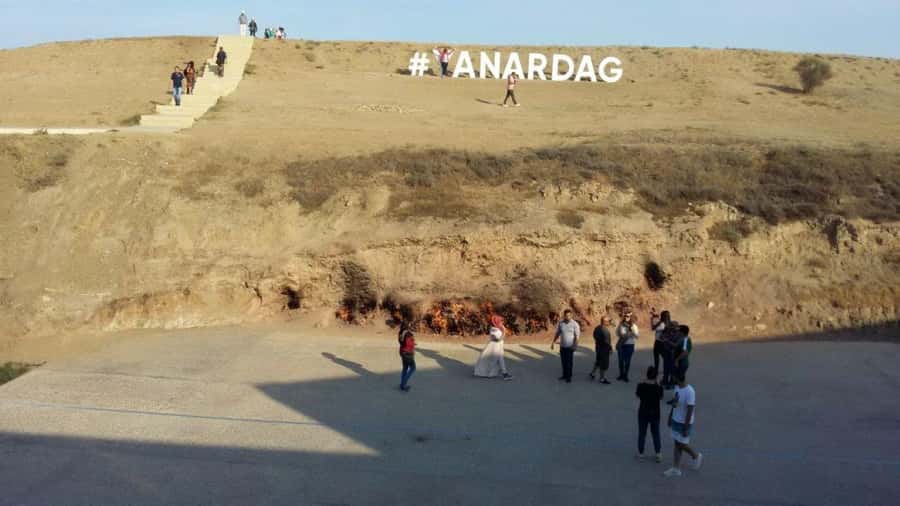
- Watching Yanardag burn
- Time in the van and the value of the route
- Who will get the most from this outing?
- Should you book the Gobustan and fire tour?
- FAQ
- How long does the tour take?
- What languages are available?
- Are entrance fees included?
- Is hotel pickup included?
- How large is the group?
- What should I do before pickup?
- Can I cancel the booking?
The tour’s five best reasons to go
- Gobustan’s 40,000-year-old carvings: See hunting scenes, rituals, animals, and daily life cut into rock.
- Mud volcanoes near Gobustan: Watch methane and water push gray mud into odd, changing cones.
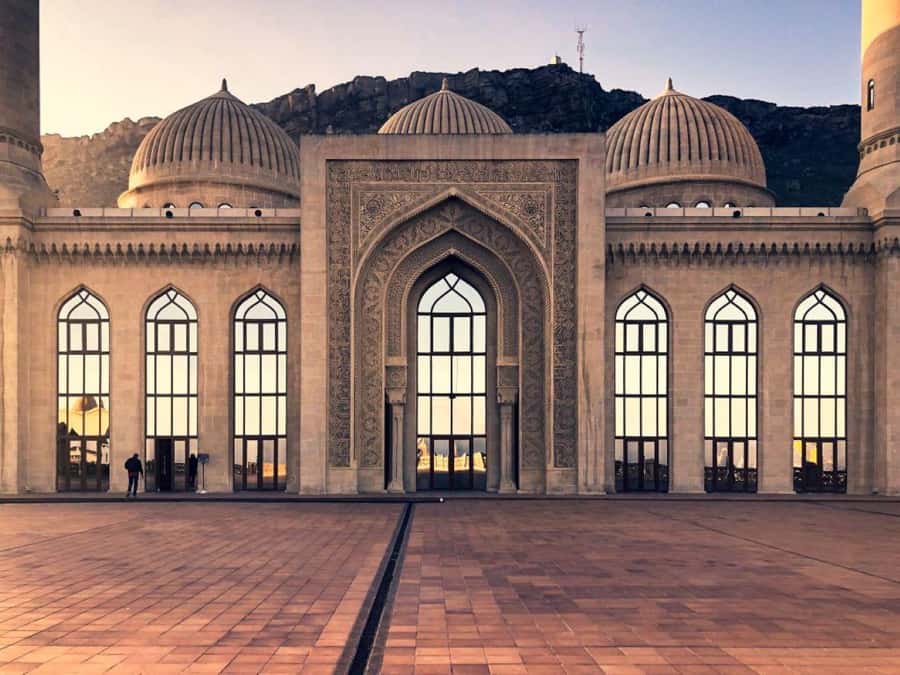
- Bibi Heybat Mosque by the Caspian: Add a short but worthwhile stop at one of Baku’s major religious landmarks.
- Ateshgah Fire Temple: Learn how natural gas vents shaped Zoroastrian worship in the Absheron region.
- Yanardag’s open flame: See fire rise from porous sandstone, with flames reaching as high as three meters.
- A compact small-group format: English or Turkish guiding, hotel pickup, transport, and return drop-off are included.
What the $89 price really covers
At first glance, $89 is a fair price for an eight-hour outing that links sites spread across the Absheron Peninsula. You get transportation in a van, a professional driver, an English or Turkish-speaking guide, hotel pickup and drop-off, in-tour assistance, and one bottle of water.
You should budget for entrance tickets separately. The estimated charges are $6 for the Gobustan Museum and rock art area, $9 for the mud volcanoes, and $9 for the combined Ateshgah and Yanardag ticket. That brings the expected total to about $113 per person, although the listed entrance prices are estimates and may change.
The value is strongest if you want to see all these places in one day without arranging several taxis or trying to match public transport connections. The route covers archaeology, religion, geology, and natural fire. You pay for convenience, but you also get a guide who can connect the stops instead of leaving you to work out the meaning of each site alone.
This is not the cheapest possible way to see individual attractions. It is a sensible choice if your Baku stay is short, or if you prefer one organized day rather than several separate outings. The group size of up to 15 is small enough to feel manageable, though it is not the same as a fully private tour.
More Gobustan and Absheron trips:
- Baku: Gobustan, Mud Volcano, Fire Mount, Temple Lunch Entry
★ 4.9 · 3,246 reviews - BEST Gobustan, Volcanoes & Absheron Fire Tour (Group or Private)
★ 5.0 · 1,254 reviews - Gobustan and Absheron tour (All inclusive)
★ 5.0 · 1,014 reviews
Starting in central Baku
Pickup is available from your hotel or from one of two central meeting points: Nizami or Gosha Gala Gapisi, also called the Double Gate of Baku’s Old City. Both are practical locations near metro access and many hotels.
You need to be ready 15 minutes before the scheduled pickup. One day before the outing, the operator or guide contacts you to confirm the exact meeting place. That small step matters in Baku, where a clear meeting point can save time and confusion.
The first drive takes roughly 40 to 50 minutes, depending on traffic. Use it to settle in, since the day has several stops and plenty of time in the van. The vehicle is described as comfortable, and the route returns you to Baku at the end rather than leaving you to arrange your own way home.
Reading the oldest marks at Gobustan
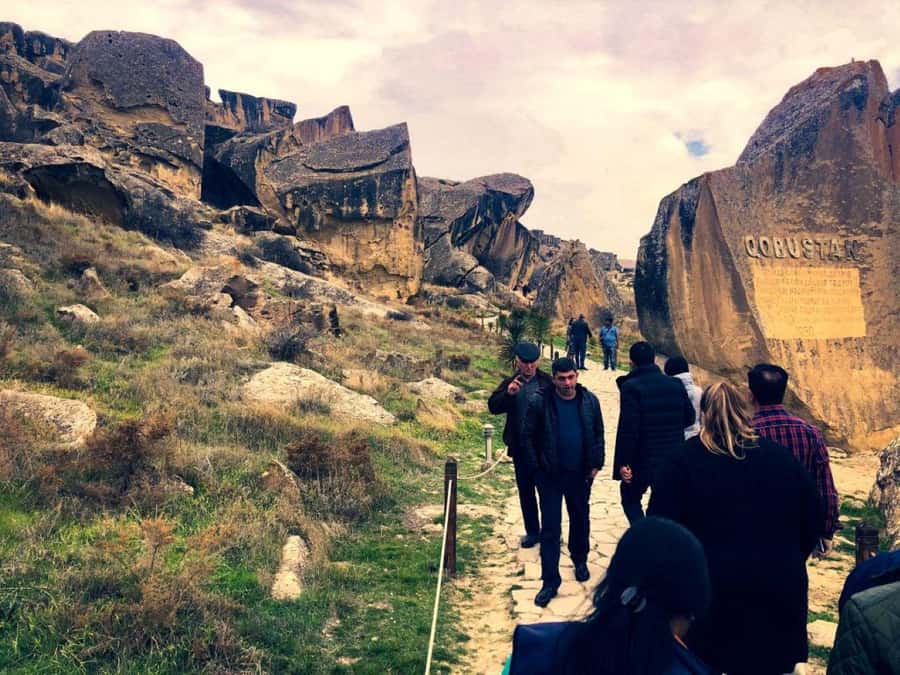
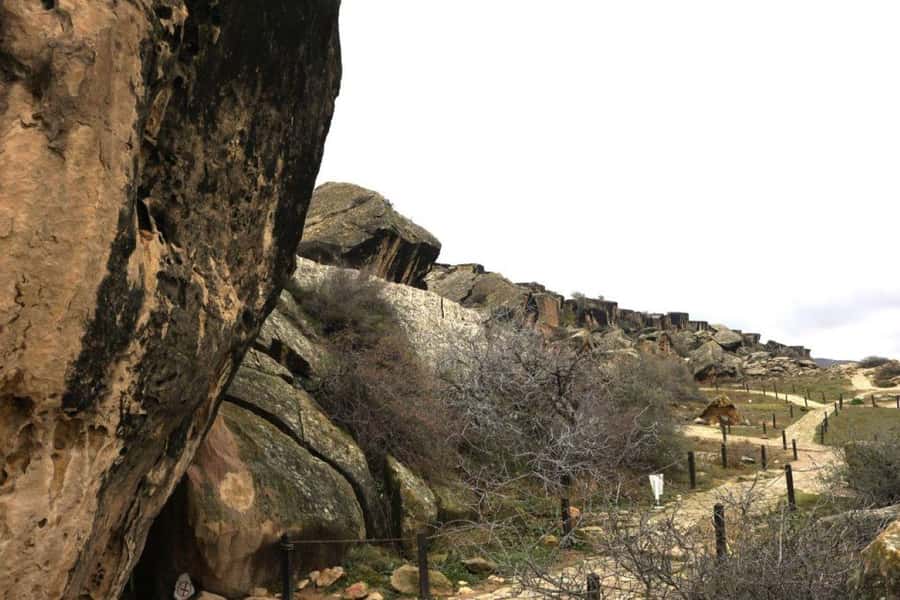
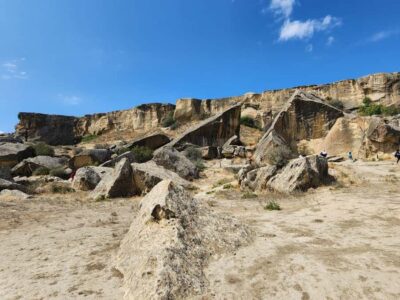
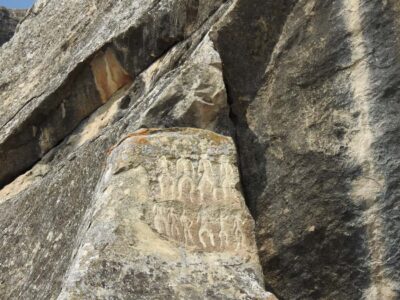
Gobustan is the intellectual center of the day. The visit begins at the museum, where you spend about 40 minutes learning how archaeologists interpret the area. More than 6,000 Stone Age engravings are presented here, showing prehistoric hunting, ceremonies, animals, and everyday activity.
I like the decision to start indoors. The museum gives you a framework before you reach the rock shelters, so the carvings are not just a collection of faded lines on stone. You can begin looking for clues about movement, social life, work, and spiritual practice.
The museum is described as a modern facility, with scientific displays that explain the archaeological importance of the reserve. Your guide adds context during the visit, which is useful because petroglyphs can be difficult to read without help. The exact quality of the explanation will depend on your guide, but Cavid’s strong feedback suggests that the guiding can be a real strength.
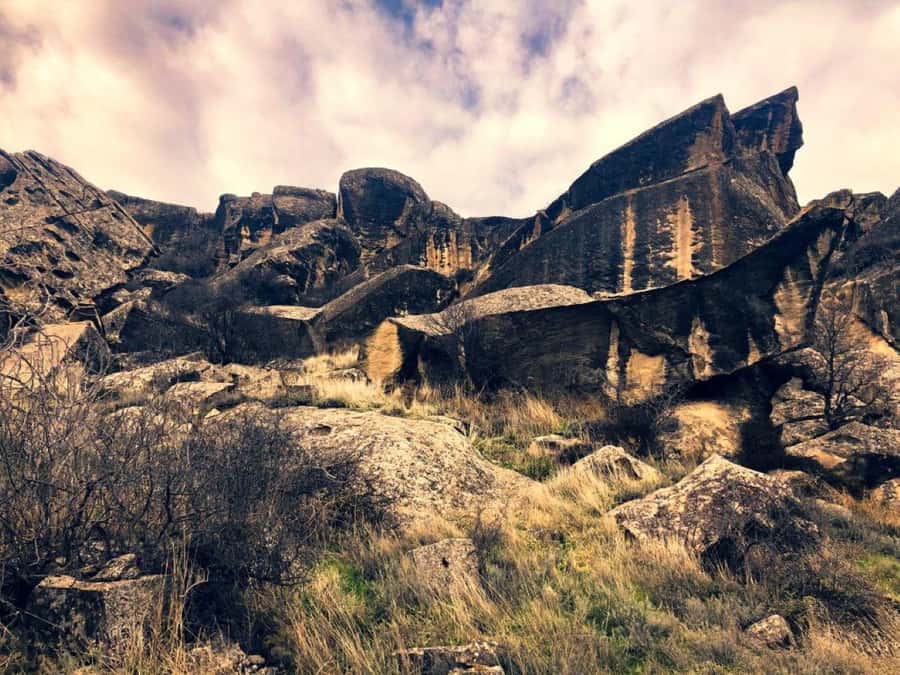
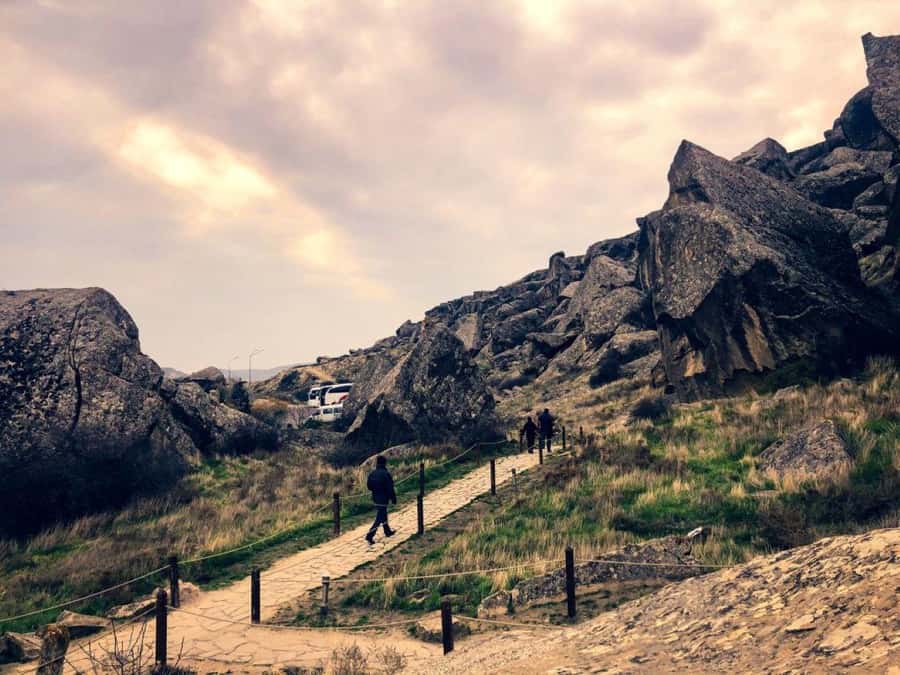
After the museum, it is only about three minutes by vehicle to the rock shelters and caves. You then spend around 40 minutes walking among the formations and carvings. The total Gobustan visit lasts about an hour and a half, allowing enough time for both interpretation and outdoor viewing.
The rock shelters date back as far as 40,000 years. Archaeological work has also found tools, pottery, and signs of former dwellings. That combination gives the site more weight than a simple outdoor art gallery. You are looking at evidence of how early communities lived, gathered, worked, and marked important events.
Keep your expectations sensible. Some images are weathered, and this is an archaeological site rather than a polished attraction with a constant show. You get the most from Gobustan when you take time to listen, compare the carvings, and picture the people who made them.
The strange science of Gobustan’s mud volcanoes
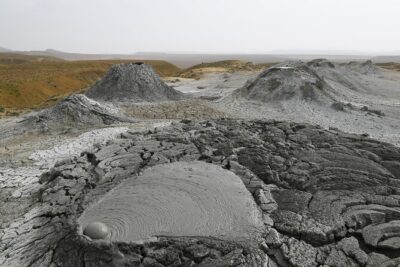
From Gobustan, the van continues for about 20 minutes to the mud volcanoes. You spend roughly 30 minutes here, watching natural gas, mainly methane, rise through underground sediment and mix with water. The result is a slow eruption of mud that forms cone-shaped mounds.
These are not volcanoes in the usual lava-and-ash sense. Their gray, damp cones and bubbling pools create a stark setting that feels almost otherworldly, though the science is quite straightforward. The formations shift over time as new mud is pushed upward and older cones change shape.
This stop works well after Gobustan because it changes the subject completely. You move from human marks on ancient stone to forces still active below your feet. It is also a good photography stop, with unusual textures and broad views across the bare terrain.
The drawback is the short visit. Thirty minutes is enough to observe the formations and take photographs, but not enough for a long walk or a detailed geological study. Conditions underfoot may also be uneven, so practical shoes are a wise choice. The tour information does not promise extensive hiking, and the stop is best understood as a close look at a rare natural feature.
A completely different kind of day out:
- Baku: Guba, Shahdag, Laza & Lunch w/ Free City & Night Tour
★ 4.8 · 1,455 reviews - Shamakhi And Gabala Tour (All inclusive)
★ 5.0 · 815 reviews - From Baku: Gabala and Shamakhi Tour (Free Baku City Tour)
★ 4.8 · 695 reviews - Baku: Candy Cane, Guba, Khinaliq village with Homemade Lunch
★ 4.9 · 519 reviews
A brief pause at Bibi Heybat Mosque
After the mud volcanoes, the return toward Baku includes a stop at Bibi Heybat Mosque. The drive takes about 50 minutes, followed by roughly 15 to 20 minutes at the mosque.
The original mosque dates to the 13th century, while the present structure was rebuilt in the 1990s. Its setting beside the Caspian gives the stop extra visual appeal, and the building introduces a clear religious and architectural contrast to Gobustan’s prehistoric remains.
This is a short visit, not a full architectural tour. You will have time to look around and hear the guide explain the site, but the schedule does not allow a slow exploration. I see it as a valuable interlude rather than the main event.
For many people, Bibi Heybat helps place the rest of the day in a wider cultural setting. Azerbaijan is not only a country of geological oddities and ancient carvings. Religious buildings and living traditions are part of the same story, and this stop gives you a glimpse of that continuity.
Fire worship at Ateshgah
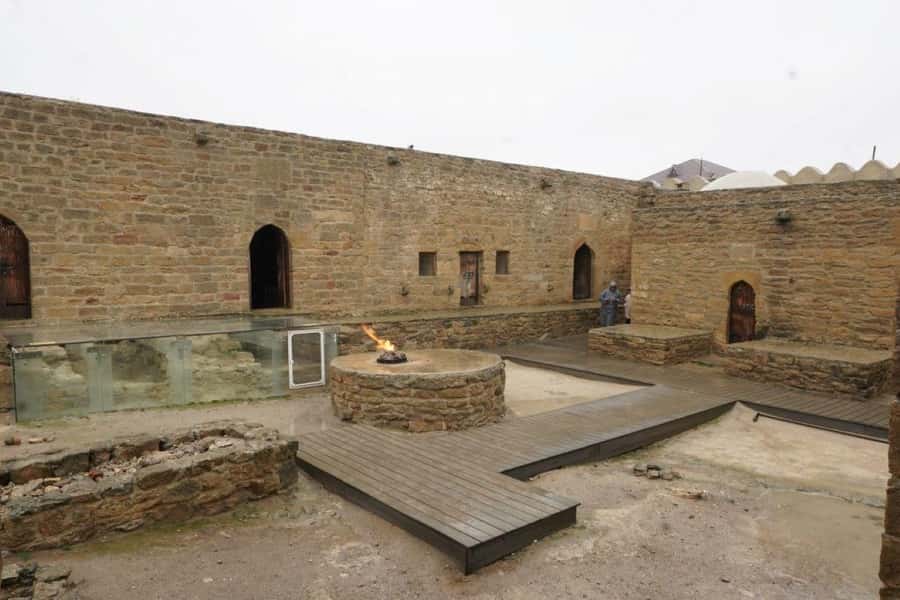
The next drive takes about 25 to 40 minutes, depending on traffic and the day’s route. At Surakhani, you visit Ateshgah, the Fire Temple of Baku, for around 40 minutes to one hour.
Ateshgah was built in the 17th and 18th centuries over natural gas vents. Its central fire pit reflects the area’s long connection with fire worship and Zoroastrian tradition. Natural flames once offered an explanation for the temple’s location and helped make this part of Absheron a destination for religious pilgrims and curious visitors.
The temple is valuable because it links geology with belief. The gas below the ground was not merely a natural oddity. It shaped the spiritual identity of the site and influenced how people understood the land around them.
A guide adds real value here. Without context, the central fire area and surrounding rooms can seem simple. With an explanation of the temple’s purpose and the role of natural gas, the place becomes easier to understand.
The amount of time provided is reasonable for the main courtyard and displays, though you should not expect an extended museum visit. Ateshgah is one of the day’s most culturally focused stops, so pay attention to the guide rather than treating it as a quick photograph.
Watching Yanardag burn
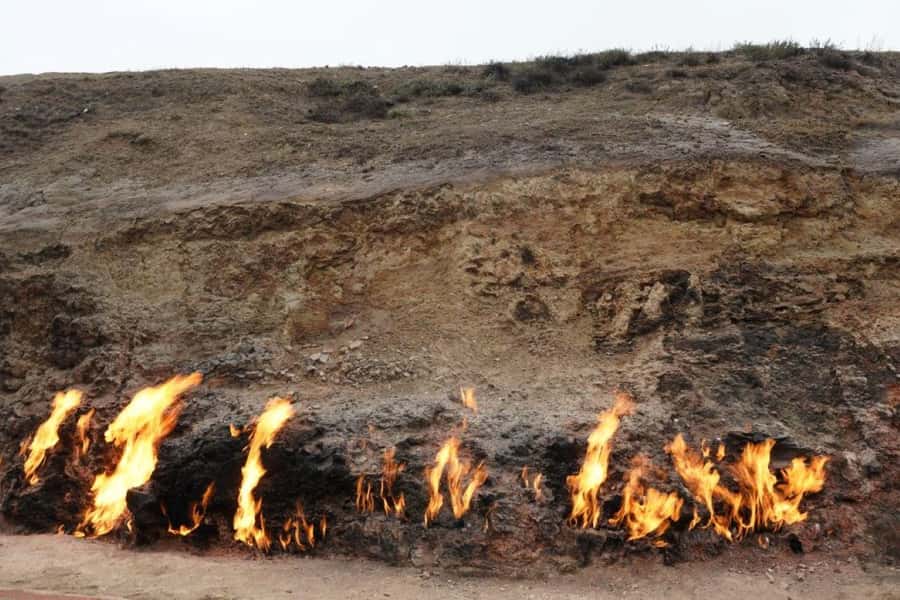
The final major stop is Yanardag, or Burning Mountain, about 30 minutes from Ateshgah. You spend about 30 minutes observing flames that have burned for centuries from porous sandstone vents.
The fire forms a steady wall rather than an explosive burst. Flames can reach up to three meters, and the effect is especially striking later in the day. The tour information notes that dusk can make the fire more dramatic, although the exact timing depends on the season and traffic.
Yanardag is a fitting end because it brings the day’s fire theme back to nature. At Ateshgah, fire was given religious meaning. Here, you watch the ground itself produce the flame.
The stop is relatively short, and there is no promise of a long walking route. That is fine for most people. You need enough time to view the fire, take pictures, and hear the explanation. If you expect a large mountain or a sweeping volcanic scene, adjust your expectations. Yanardag is a burning slope and exposed rock with a persistent flame, not a towering peak.
Time in the van and the value of the route
The schedule includes several long drives: roughly 40 to 50 minutes from Baku to Gobustan, 20 minutes to the mud volcanoes, about an hour toward Bibi Heybat, then shorter transfers to Ateshgah and Yanardag, followed by about 50 minutes back to Baku.
That adds up to a lot of road time. The reward is variety, but you should not confuse this with a slow, single-site cultural visit. You are covering a wide area and changing subjects several times during the day.
Under normal conditions, the outing takes seven to eight hours. Traffic can extend it to nine. A verified booking from April 2024 described a punctual start and a return within the expected time range despite traffic jams, which supports the impression that the route is planned carefully. Still, city traffic is outside the guide’s control.
The guide makes a major difference. Cavid was praised for answering detailed questions about history, culture, and politics, not just repeating short facts at each stop. That kind of guide can turn the van rides into useful orientation time.
Who will get the most from this outing?
I would recommend this tour if you want a broad first look at Baku’s surroundings and have only a few days in Azerbaijan. It suits people who enjoy ancient archaeology, unusual geology, religious sites, and a busy sightseeing schedule.
It is also a good match if you prefer not to handle regional transport yourself. Hotel pickup, a driver, and a return drop-off remove much of the day’s practical work. English and Turkish guiding gives you two language options, and the group cap of 15 keeps the vehicle from becoming too crowded.
You may want a different plan if you prefer long visits, quiet photography, or a slow pace. Gobustan, the mud volcanoes, Bibi Heybat, Ateshgah, and Yanardag each receive a limited amount of time. The tour gives you a strong overview, but it does not let you linger at every stop.
Pack comfortable shoes, water beyond the included bottle if you need it, and protection from the elements. Pets, bicycles, alcohol, and drugs are not allowed. Most importantly, leave your evening open.
Should you book the Gobustan and fire tour?
Book it if you want the efficient version of Absheron: ancient rock art in the morning, mud volcanoes, a Caspian-side mosque, a historic fire temple, and a burning mountainside before returning to Baku. The route is varied, the logistics are handled, and the strongest guide feedback points to useful explanations rather than a silent ride between stops.
Skip it if your priority is deep exploration of one archaeological site or a private, unhurried day. At $89 plus estimated entrance fees, it is a fair package for the amount of ground covered, but the value depends on appreciating variety and convenience. For most first-time visitors with limited time, I think the combination is worth it.
Free cancellation is available up to 24 hours before departure, and you can reserve without paying immediately. Check the starting time, confirm your pickup point, and remember that the day can run as long as nine hours.
FAQ
How long does the tour take?
The standard duration is seven to eight hours. Traffic or extra time at the stops can extend the day to nine hours.
What languages are available?
The tour is offered with a live guide in English or Turkish.
Are entrance fees included?
No. Estimated entrance costs are $6 for the Gobustan Museum and rock art area, $9 for the mud volcanoes, and $9 for the combined Ateshgah and Yanardag ticket.
Is hotel pickup included?
Yes. Hotel pickup and return drop-off are included. You can also meet at Nizami or Gosha Gala Gapisi in central Baku.
How large is the group?
The tour is limited to 15 participants.
What should I do before pickup?
Be ready in your hotel lobby or at the arranged meeting point 15 minutes before the scheduled pickup time. The operator or guide confirms the meeting point one day before the tour.
Can I cancel the booking?
Yes. You can cancel up to 24 hours in advance for a full refund. You can also reserve now and pay later.
Just added in Baku
- Wine Tour Baku★ 5.0 · 4 reviews
- Wine Tour Qabala with Local Lunch★ 5.0 · 10 reviews
- Traditional Azerbaijani Cuisine Workshop★ 5.0 · 5 reviews
- Wine Crawl Baku★ 5.0 · 2 reviews
- Baku City Guided Wine Tour (snacks included)★ 5.0 · 15 reviews
- Full Day KHINALUG and the Candy Mountains Tour★ 5.0 · 15 reviews
- Tour to the North part of Azerbaijan Forests and Mountatin Quba★ 5.0 · 10 reviews
- The Magnificent Baku Night Tour★ 5.0 · 3 reviews
Gobustan and Absheron Tours, compared.
Gobustan, Mud Volcano, Fire Mount, Temple Lunch Entry
Read our review →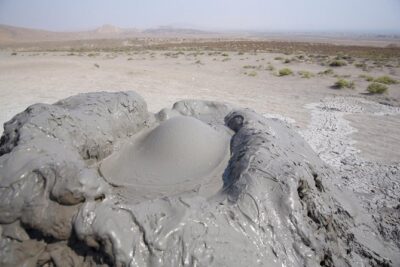
BEST Gobustan, Volcanoes & Absheron Fire Tour (Group or Private)
Read our review →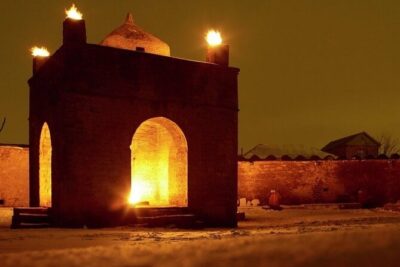
Gobustan, Volcanoes, Fire Temple and Yanardag Day Trip
Read our review →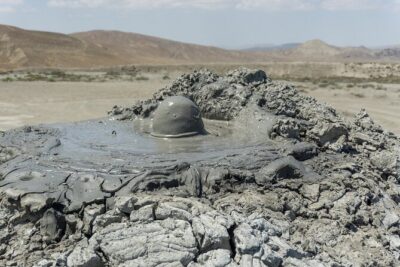
Gobustan & Mud, Fire Temple, Burning Mountain (Group & Private)
Read our review →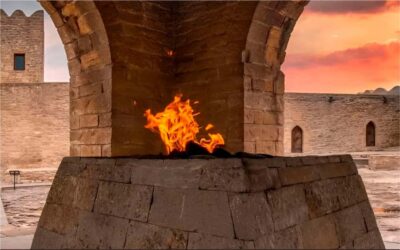
Mud Volcan-Fire Temple and Mountain Tour/Entrance inc
Read our review →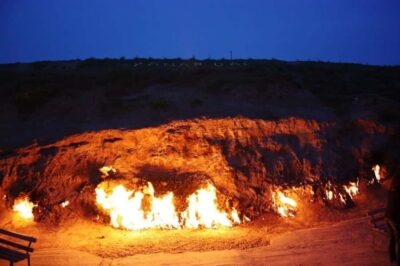
Gobustan Mud Volcanoes Temple & Entry tickets included
Read our review →Other Azerbaijan lists this tour is on