
REVIEW · BAKU
Traditional Azerbaijani Cuisine Workshop
A meal can open a whole country. This five-hour Baku experience takes you to a cozy suburban apartment, where you learn how Azerbaijani cooks choose ingredients, prepare local dishes, and share food at the family table. I like the choice of three main dishes, especially the vegetarian plov with greens, plums, and chestnuts. I also like the personal scale, with groups capped at 10 and the possibility of being hosted alone.
The main drawback is the setting. The apartment is on the seventh floor, and the return drive can take much longer than the trip out when Baku traffic thickens. If stairs or long car rides are difficult for you, consider that before booking.
In This Review
- Key points to know before booking
- Why Azerbaijani food makes a good cooking lesson
- The ride from central Baku to the apartment
- Entering a seventh-floor Azerbaijani home
- Learning the ingredients before cooking
- Choosing between plov and dolma
- Preparing the appetizer and kompot
- Sitting down for tea, sweets, and conversation
- What the $90 price includes
- How the timing affects your day
- Who will enjoy this experience most
- Small details that improve the experience
- Should you book the Azerbaijani Cuisine Workshop?
- FAQ
- How long does the Traditional Azerbaijani Cuisine Workshop last?
- Where does the cooking class take place?
- Is pickup included?
- What main dishes can I choose?
- Is a meal included in the price?
- How many people can join the activity?
- Can I cancel for a full refund?
Key points to know before booking
- Choose your centerpiece: Prepare chicken plov, vegetarian plov with greens, plums, and chestnuts, or dolma made with eggplants, tomatoes, bell peppers, and stuffed red meat.
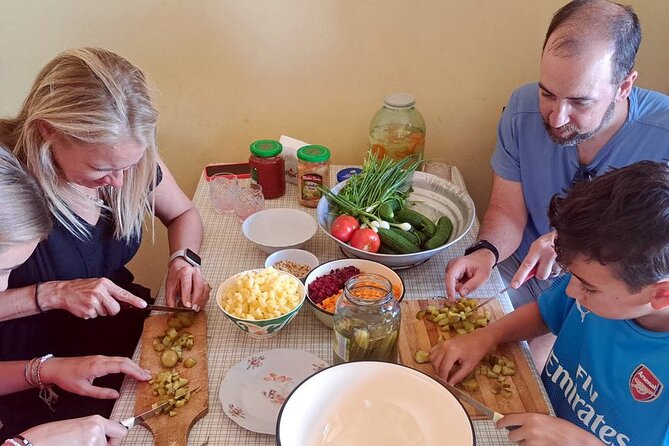
- Cook inside a local home: The class takes place in a suburban Baku apartment rather than a formal cooking school.
- Expect a five-hour outing: Pickup, the drive, cooking, the meal, tea, and sweets make this a substantial half-day experience.
- Finish with Azerbaijani tea: Black tea and sweet treats provide a relaxed end to the meal.
- Private transport is included: A private vehicle takes you from your Baku accommodation to the apartment and back.
- Small groups matter: The maximum is 10 people, though a solo booking may receive very personal attention.
Why Azerbaijani food makes a good cooking lesson
Azerbaijan sits where several culinary traditions meet. Its position between larger cultural regions has shaped the food, while the country’s nine climate zones allow many fruits, vegetables, herbs, and other ingredients to grow.
That variety gives the class a useful focus. You are not simply shown one famous dish and sent home with a full stomach. You learn how local ingredients are selected and how preparation changes the final taste. The details matter in home cooking, and the host explains those small choices before the work begins.
I find this approach more useful than a class that rushes straight to chopping. You get some context for why Azerbaijani food has so many regional styles, including different approaches to sweets and main dishes. The class gives you a look at food as part of daily life, not only as a restaurant menu.
The home setting also changes the tone. You are visiting a family apartment in a suburban part of Baku, not standing at a demonstration counter in a tourist district. That can make the experience feel more personal, though it also means the surroundings are ordinary rather than polished for tourism.
Other trips worth a look in Baku:
- Baku: Gobustan, Mud Volcano, Fire Mount, Temple Lunch Entry
★ 4.9 · 3,246 reviews - Baku: Guba, Shahdag, Laza & Lunch w/ Free City & Night Tour
★ 4.8 · 1,455 reviews - BEST Gobustan, Volcanoes & Absheron Fire Tour (Group or Private)
★ 5.0 · 1,254 reviews
The ride from central Baku to the apartment
Pickup is offered, and transport by private vehicle is included. That removes the need to figure out a local bus, taxi, or unfamiliar suburban route before a cooking class.
One solo participant had a drive of about 30 minutes to the hosts’ home. The return took roughly 80 to 90 minutes because of Baku traffic. That detail is worth taking seriously. The five-hour estimate covers more than time in the kitchen, and your total outing could stretch if roads are slow.
I would avoid scheduling a tight evening appointment after this class. Leave room for traffic, especially on the way back. The private car is a clear benefit, but it cannot make Baku’s roads move faster.
Pickup also helps if you are staying near public transportation but not directly beside the apartment. The activity is listed as near public transportation, yet the included vehicle keeps the journey simple and comfortable.
Entering a seventh-floor Azerbaijani home
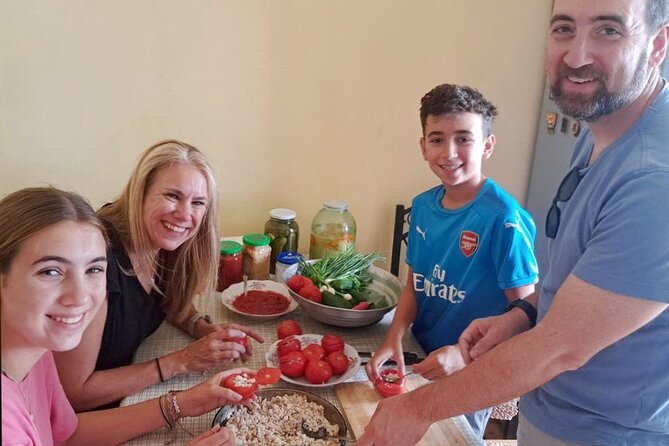
The cooking class takes place in a cozy apartment in a suburban area of Baku. The hosts welcome you into their home, and the meal is prepared in a setting that feels more like a family visit than a commercial lesson.
That setting is the heart of the experience. You sit close to the people who are cooking with you, ask questions as the food comes together, and see how a local household presents a meal. One booking was attended by a single participant, who was treated as an honored visitor. A small group should offer a similarly warm atmosphere, though the exact feel will depend on the number of people booked that day.
There is one practical catch: the apartment is on the seventh floor, and the experience is not recommended for people with walking difficulties. The supplied information does not say that an elevator is available, so you should not assume the building is easy to access. If stairs are a concern, contact Baku Explorer before paying.
Dress is casual. You do not need special clothing for the kitchen, but comfortable clothes make sense for a long afternoon that includes driving, cooking, eating, and sitting over tea.
Learning the ingredients before cooking
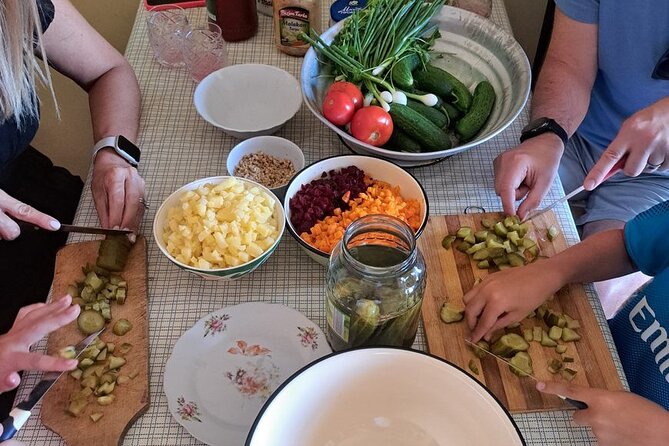
The class starts with an introduction to the ingredients. You learn how to choose them and hear about particular details involved in preparing the dishes.
This opening is important because Azerbaijani cuisine depends on combinations, not just individual ingredients. The program highlights fruits, vegetables, herbs, chestnuts, plums, and other local foods, reflecting the country’s varied growing conditions.
You also get a chance to choose the main dish that best suits your taste. That choice keeps the class flexible and makes the meal feel more personal. You can select chicken plov, vegetarian plov with greens, plums, and chestnut, or dolma made from eggplants, tomatoes, and bell peppers stuffed with red meat.
The information provided does not promise that each person cooks a separate dish from start to finish. It presents the work as something you prepare together with the chef. If hands-on time is your main reason for booking, ask how the cooking is divided among the group.
A completely different kind of day out:
- Gobustan and Absheron tour (All inclusive)
★ 5.0 · 1,014 reviews - Shamakhi And Gabala Tour (All inclusive)
★ 5.0 · 815 reviews - From Baku: Gabala and Shamakhi Tour (Free Baku City Tour)
★ 4.8 · 695 reviews - Baku: Candy Cane, Guba, Khinaliq village with Homemade Lunch
★ 4.9 · 519 reviews
Choosing between plov and dolma
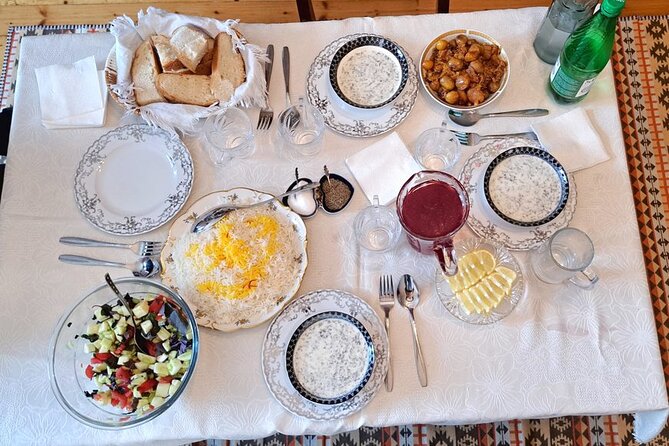
The three choices give the class a useful range.
Chicken plov is the familiar option for anyone who wants a traditional rice-based centerpiece with meat. It may suit you if you want a classic meal and prefer poultry to red meat.
The vegetarian plov offers more than a simple meat-free substitute. Greens, plums, and chestnuts bring different flavors and textures to the dish. This is the most distinctive choice for anyone interested in how Azerbaijani cooks use produce, fruit, and nuts together.
Dolma here means eggplants, tomatoes, and bell peppers filled with red meat. That gives you several vegetables in one preparation, along with a hearty filling. It may be the best fit if you want to learn a stuffed vegetable dish rather than a rice-centered meal.
The menu does not list exact ingredients beyond the main components, and the program does not promise that all three dishes are prepared during one booking. You should choose one of the three options according to your preference.
Preparing the appetizer and kompot
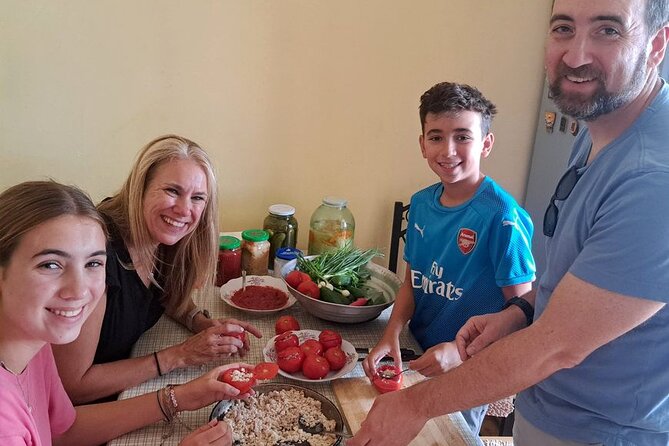
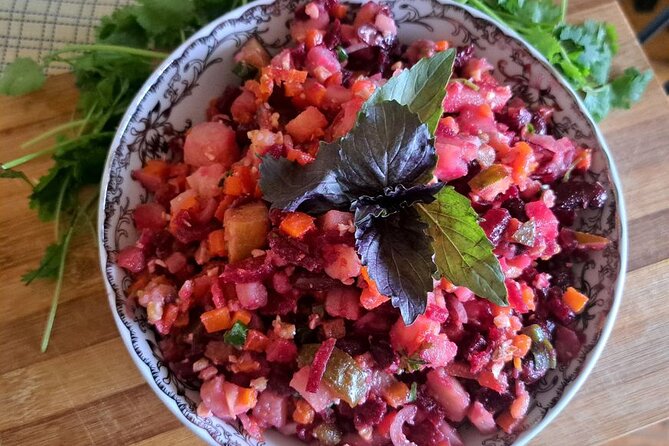
The class includes more than the main dish. You prepare an appetizer with the chef and make kompot, a fruit drink associated with home-style cooking in many parts of the region.
Because the exact appetizer and fruit selection are not specified, you should expect the details to follow the host’s ingredients and preferences on the day. That uncertainty is not necessarily a weakness. It may show you how a local cook works with what is fresh and available, rather than following a rigid restaurant menu.
The drink adds another useful lesson. Cooking classes often focus so heavily on the main course that the meal feels incomplete. Here, the appetizer and kompot help create a full table and show how a home meal is built from several parts.
The package includes beverages, coffee or tea, and a three-course lunch or dinner. The program also lists dinner separately, so the meal is clearly a substantial part of the experience rather than a token tasting.
Sitting down for tea, sweets, and conversation
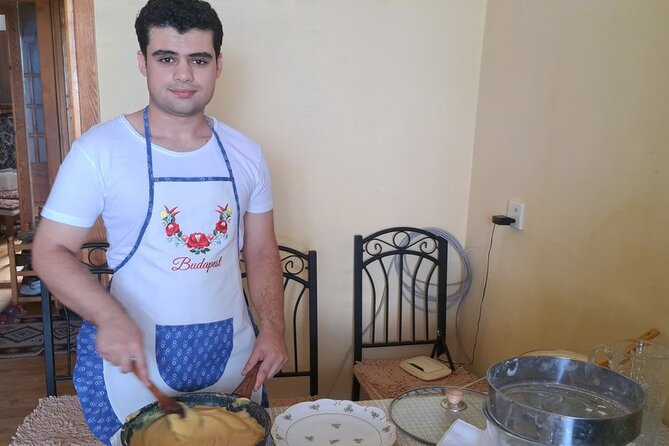
Once the cooking is finished, you sit with the family for black Azerbaijani tea and sweet treats. This is likely to be the calmest part of the afternoon, after the practical work in the kitchen is done.
Tea has a special place in the social rhythm of the experience. You are not simply handed a dessert and sent back to the car. You have time to sit, drink, and talk with the people who hosted you.
The sweets also reflect Azerbaijan’s broad food culture. The country is known for many dessert styles, and different regions use different flavors and methods. The experience does not specify which sweets will be served, so you should treat them as part of the host family’s presentation rather than a fixed tasting list.
This final table time is especially valuable if you are interested in home life and social customs. It is also a reason to avoid rushing the day. The meal is not only fuel after cooking. It is the point where the activity becomes a shared visit.
What the $90 price includes
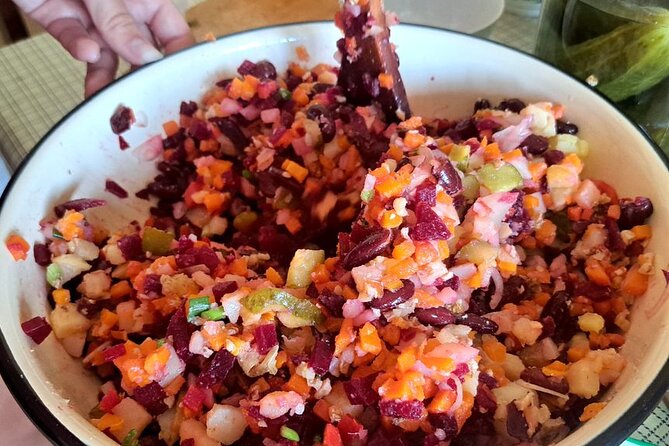
At $90 per person, this is not the cheapest meal in Baku. The value depends on how much you want from the afternoon.
You are paying for roughly five hours, private transport, a cooking lesson, a three-course meal, beverages, tea or coffee, and time with a local family. You also receive a small recipe journal and an exclusive souvenir postcard. Those extras will not transform the experience, but they give you something practical and memorable to take home.
The private vehicle is a meaningful part of the price. A suburban home can be awkward to reach on your own, and arranging taxis in both directions would add cost and uncertainty. The car also allows you to focus on the class instead of navigating.
The food itself is another part of the calculation. You are not paying $90 simply for a plate of plov or dolma. You are paying for instruction, ingredient preparation, the meal, drinks, and a social visit. If you only want to sample Azerbaijani food, a restaurant will cost less. If you want to learn how one local household prepares it, the price is easier to justify.
Group discounts may improve the value for families or friends. The maximum group size is 10, so the experience should remain smaller than a large bus tour. Still, ask about the discount before booking because the exact terms are not provided.
How the timing affects your day
The advertised duration is about five hours. Pickup and the drive are part of the day, so the class will take up a sizeable block of your Baku schedule.
I would plan it on a day without a major museum reservation, airport transfer, or fixed evening performance. The traffic example shows why. A 30-minute ride outward can become a much longer return journey, particularly when Baku roads are crowded.
Booking tends to happen about 16 days ahead on average. That is a useful planning clue if you are visiting during a busy period. You do not need to treat it as a strict deadline, but this is not the kind of experience I would leave until the final morning of a short trip.
The schedule also works best when you are ready to eat a full lunch or dinner. Since the meal is a central part of the outing, arriving hungry makes sense. The supplied information does not give a precise start time or state how dietary requests are handled, so ask Baku Explorer before booking if you need changes to the menu.
Who will enjoy this experience most
I would recommend this class to you if food is one of your main ways of understanding a place. It suits people who enjoy a long meal, a small group, and conversation with local hosts more than a quick sightseeing stop.
It is also a good choice for:
- Couples who want a shared activity beyond Baku’s main sights
- Families interested in cooking together
- Solo visitors who value personal attention
- Vegetarians, thanks to the dedicated plov option
- Anyone who wants private transport to a suburban home
- Visitors who prefer a home meal to a formal restaurant
The experience may be less suitable if you dislike long car rides, need a tightly timed itinerary, or have difficulty climbing stairs. It may also disappoint you if you expect a professional teaching kitchen or a detailed, fixed menu sent in advance. This is a home visit with cooking, not a restaurant school with a published syllabus.
Small details that improve the experience
Bring a little patience. Home cooking follows the pace of the food, and the class includes time for eating and tea. The five-hour estimate is best treated as a relaxed block rather than a stopwatch schedule.
Use the recipe journal. It is small, but it gives you a place to keep notes about ingredient choices and preparation details while the chef explains them. A phone can also help you record the recipe, though you should ask before taking photographs inside the home.
Keep your menu choice in mind before arrival. Chicken plov, vegetarian plov, and dolma offer very different meals. If you are unsure, the vegetarian option is the most unusual on paper because of its greens, plums, and chestnuts.
Finally, keep your evening open. Baku traffic can turn the return into the longest part of the outing, and it would be a shame to spend the last course checking the clock.
Should you book the Azerbaijani Cuisine Workshop?
Book it if you want a personal food experience with transport, a full meal, and a local family setting. The strongest features are the home atmosphere, the choice of main dish, and the unhurried finish with black tea and sweets.
At $90, it is best value for someone who sees cooking and conversation as part of sightseeing. It is less compelling for a visitor who only wants a cheap Azerbaijani dinner or who needs a perfectly predictable schedule.
My practical verdict: choose it for a slower day in Baku, confirm that the seventh-floor apartment is manageable for you, and leave generous time for the return drive. If you do that, this offers a thoughtful way to understand Azerbaijan through the food people prepare at home.
FAQ
How long does the Traditional Azerbaijani Cuisine Workshop last?
The experience lasts approximately five hours, including transport, cooking, the meal, tea, and sweets.
Where does the cooking class take place?
It takes place in a cozy apartment in a suburban area of Baku.
Is pickup included?
Yes. Pickup is offered, and transport is provided by private vehicle.
What main dishes can I choose?
You can choose chicken plov, vegetarian plov with greens, plums, and chestnuts, or dolma made with eggplants, tomatoes, and bell peppers stuffed with red meat.
Is a meal included in the price?
Yes. The experience includes a three-course lunch or dinner, beverages, and coffee or tea.
How many people can join the activity?
The maximum group size is 10 people.
Can I cancel for a full refund?
Yes. You can cancel at least 24 hours before the experience start time for a full refund. Cancellations or changes made less than 24 hours in advance are not refunded or accepted.
Just added in Baku
- Wine Tour Baku★ 5.0 · 4 reviews
- Wine Tour Qabala with Local Lunch★ 5.0 · 10 reviews
- Wine Crawl Baku★ 5.0 · 2 reviews
- Baku City Guided Wine Tour (snacks included)★ 5.0 · 15 reviews
- Full Day KHINALUG and the Candy Mountains Tour★ 5.0 · 15 reviews
- Tour to the North part of Azerbaijan Forests and Mountatin Quba★ 5.0 · 10 reviews
- The Magnificent Baku Night Tour★ 5.0 · 3 reviews
- Baku Sightseing Tour★ 5.0 · 12 reviews