
REVIEW · GOBUSTAN AND ABSHERON TOURS
Gobustan and Absheron tour (All inclusive)
Azerbaijan’s strangest sights are outside Baku. This full-day trip links the Gobustan mud volcanoes and petroglyphs with Absheron’s fire-worshipping temple and the flames of Yanardag. It is a busy day, but it gives you a broad look at the country’s geology, ancient cultures, and modern capital region without arranging several separate excursions.
I especially like the dramatic contrast between the blue-gray mud craters and the prehistoric rock art. I also like that admission fees, transport, and lunch are bundled into the $85 price, so the day is easy to budget. The catch is the pace: long drives, several stops, and occasional problems with vehicles, meal quality, or guide performance can make this feel rushed.
The tour is rated 4.9 out of 5 from 1,014 ratings, with 97 percent recommending it. That is a strong record, and many guides, including Sayid, Zeyneb, Vusala, Nazperi, and Fidah, have earned warm praise for making the history lively. But the uneven reports about pickup times, cramped vans, missed stops, and one especially poor guide mean you should know what kind of day you are booking.
In This Review
- Key points to know before booking
- Starting south from Baku
- Mud volcanoes and the rough ride to the craters
- Gobustan Museum: a useful introduction
- Walking among Gobustan’s prehistoric petroglyphs
- Bibi-Heybat Mosque on the return route
- Lunch in Baku: generous on paper, uneven in practice
- Ateshgah Fire Temple and the old caravan route
- Yanardag and the flame that refuses to go out
- The guide can make or break the day
- Is $85 good value?
- Who should book this experience?
- Should you book it?
- FAQ
- How long does the Gobustan and Absheron tour last?
- What attractions are included?
- Is lunch included in the price?
- Are admission tickets included?
- How many people can join the group?
- What languages does the guide speak?
- Is transportation included?
- Is the mud volcano visit off-road?
- Can I cancel for a full refund?
Key points to know before booking
- Mud volcanoes require an off-road ride: The final approach uses old Russian Lada cars on rough dirt roads, which many people find thrilling but not comfortable.
- Gobustan combines science and ancient art: You visit a modern museum before walking among petroglyphs that show hunting, daily life, and early human culture.
- The day crosses two very different regions: Gobustan lies south of Baku, while Ateshgah and Yanardag are on the Absheron Peninsula, so driving takes a large part of the day.
- Lunch is included, but quality can vary: The set meal includes qutabs, kebabs, pilaf, salad, a drink, and tea, though some meals have been praised and others strongly criticized.
- Small-group touring is useful here: The maximum group size is 17, a good size for a guide-led day, though vehicle size has not always matched the group.
- Guides shape the experience: Strong guides make the history memorable, while weak communication can turn a promising day into a long bus ride.
Starting south from Baku
The trip begins in the morning and lasts about eight to nine hours, though some departures have run closer to ten and a half hours. The stated starting point is 1 Azərbaycan Prospekti in central Baku, while the tour description also refers to hotel transfers. Confirm your exact pickup details in advance, especially if you have an evening flight or another fixed appointment.
The first major drive takes you roughly 70 kilometers south of Baku toward Gobustan. This is not a quick city excursion. You spend real time on the road, and the day works best if you treat the journey as part of a wide regional circuit rather than a series of nearby sights.
An air-conditioned vehicle is included. The strongest reports describe clean, comfortable transport and good drivers. The weakest reports describe a cramped bus, poor air conditioning, loud music, or delays caused by changing vehicles for a larger group. Those problems are not guaranteed, but they are worth keeping in mind when you decide between a group tour and a private option.
More Gobustan and Absheron trips:
- Baku: Gobustan, Mud Volcano, Fire Mount, Temple Lunch Entry
★ 4.9 · 3,246 reviews - BEST Gobustan, Volcanoes & Absheron Fire Tour (Group or Private)
★ 5.0 · 1,254 reviews - Baku: Gobustan, Volcanoes, Fire Temple and Yanardag Day Trip
★ 4.7 · 433 reviews
Mud volcanoes and the rough ride to the craters
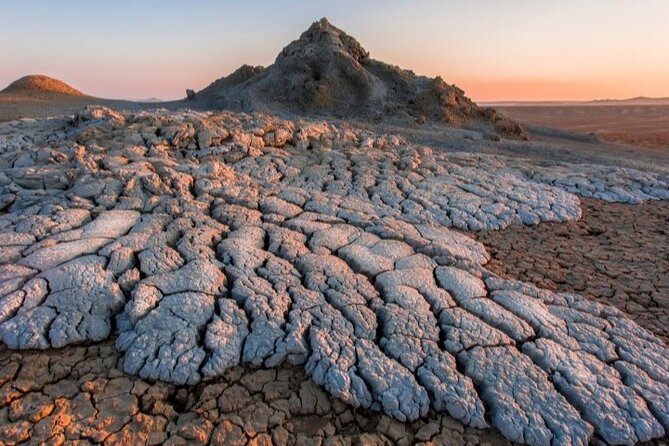
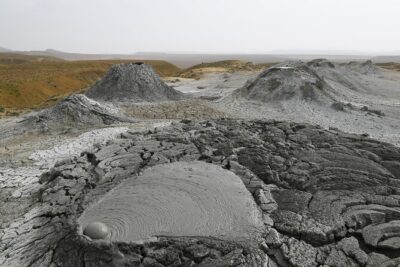
The mud volcanoes are the tour’s most unusual stop. Instead of molten rock, these low cones push up mud and gases, creating gray and blue-gray craters that look almost otherworldly. The setting is stark, open, and very different from the grand architecture of Baku.
Reaching the volcanoes is part of the fun. A dirt road leads to the active craters, often using old Soviet-era Lada cars. The off-road section has been described as an unforgettable, high-adrenaline ride. I can see why: the rough track gives the stop a sense of adventure that a smooth coach transfer would remove.
Still, this section can be basic. A few people have felt that the visit stayed too close to a small area and did not go far enough among the volcanoes. The exact route may also depend on road conditions and local arrangements. If the mud volcanoes are your main reason for booking, ask before departure how much time is planned there and what happens if access is limited.
You should wear shoes that can handle dirt and uneven ground. The tour description presents the volcanoes as an included attraction, and the admission fee is covered, but the off-road ride itself may feel less polished than the rest of the day.
Gobustan Museum: a useful introduction
After the volcanoes, the tour turns to Gobustan’s archaeological sites. The modern open-air museum and natural history exhibition help explain what you are about to see. Exhibits cover the region’s geology, prehistoric people, and the animals and conditions that shaped life here.
This stop matters because the petroglyphs can otherwise be easy to misread. A cluster of lines on a rock is more meaningful when you understand how people lived, hunted, traveled, and recorded their world. The museum gives your guide a clear starting point for that story.
There is one important warning. Some departures have shortened or skipped the museum, with the guide deciding it was not worth the time. That is frustrating if the museum is included in the paid admission. The stop is scheduled for about an hour, but the actual time can be affected by traffic, late pickups, or delays earlier in the morning.
If you care about the museum, tell your guide early. Keep track of the planned stop times too, since communication about free time has not always been clear.
Walking among Gobustan’s prehistoric petroglyphs
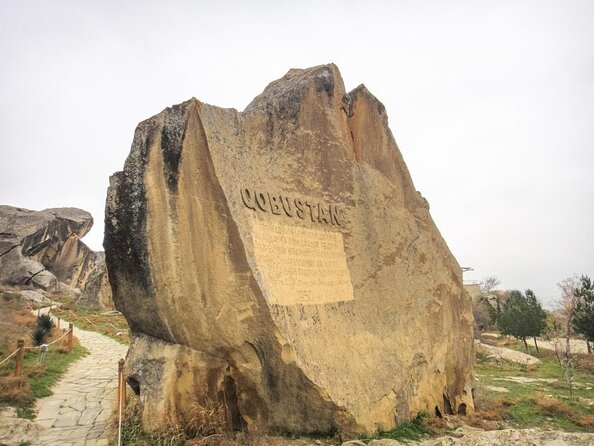
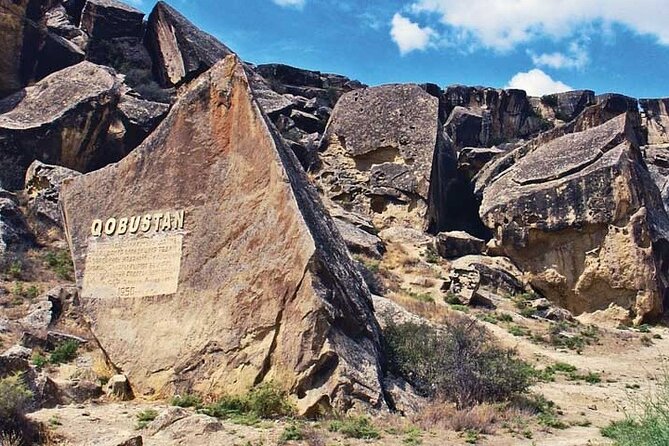
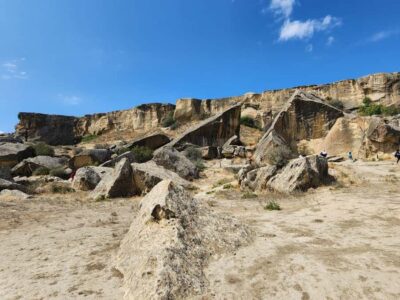
The rock art is the cultural heart of the Gobustan section. A marked trail leads among the rocks, with views toward the Caspian coast and panels covered in ancient carvings. The images include people, animals, hunting scenes, boats, and symbols connected with daily life, although the exact examples you see depend on the route.
This is a place where a good guide makes a major difference. The carvings are not simply decorative pictures. They offer clues about work, belief, social life, and survival in a hard environment. Strong guides such as Sayid and Zeyneb have been praised for explaining these subjects with energy and humor, while Vusala has been singled out for her clear presentation and affection for Azerbaijani culture.
The walking portion is not long in the schedule, roughly one hour, but you should expect uneven outdoor paths and exposed surroundings. Bring water, sun protection, and a hat during hot weather. The open setting gives you wonderful photographs, but there is limited shelter.
This stop also shows the tour’s main tradeoff. You get a useful introduction to one of Azerbaijan’s most important archaeological sites, but a group schedule cannot offer the slow, quiet study that a private visit might. If ancient art is your main interest, you may wish you had more time at selected panels.
More all-inclusive packages in Baku:
- Shamakhi And Gabala Tour (All inclusive)
★ 5.0 · 815 reviews - Gobustan and Absheron peninsula ( Group or Private ) TOUR ( All inclusive )
★ 5.0 · 130 reviews - Gabala-Sheki Tour 2 Days, 1 Night (All Inclusive)
★ 5.0 · 88 reviews - Khinalug tour and more… ( All inclusive )
★ 4.5 · 77 reviews
Bibi-Heybat Mosque on the return route
On the way back toward Baku, the route may include a view or stop at Bibi-Heybat Mosque. The mosque has roots reaching back to the 13th century, when it was built under Shirvanshah Abu-l-Fath Farrukhzad. Its tall facade, colorful interior, and position near the Caspian make it a striking contrast to the bare rock of Gobustan.
This stop is also a reminder that the region’s story is not only prehistoric. Azerbaijan’s religious and architectural past has many layers, and Bibi-Heybat gives you a glimpse of one of them.
The available schedule does not assign a precise duration to this visit, so do not expect a long guided exploration. It functions as a scenic and cultural pause during the transfer back toward the city. You can also see the Caspian shoreline and the cranes of the nearby cargo port, an interesting meeting of sacred architecture and working industry.
Lunch in Baku: generous on paper, uneven in practice
Lunch comes after the Gobustan portion, in the Narimanov area of Baku. The planned meal is a three-course Azerbaijani spread with two qutabs, one filled with greens and one with meat, assorted chicken, lamb, and lula kebabs, pilaf, choban salad, ayran or Coke, and tea.
That is a substantial menu for a group excursion. Qutabs are thin stuffed flatbreads, while lula-kebab is minced meat shaped around a skewer. The meal gives you a taste of familiar national dishes without needing to choose from a menu or pay extra.
Food quality has been inconsistent. Some people have described the restaurant and meal as excellent, plentiful, and good quality. Others received cold kebabs, undercooked rice, or portions that did not feel sufficient. One complaint also noted poor restroom supplies. The restaurant named in one account was 7 Gozal Restaurant, though the supplied tour details describe the lunch location more generally as a Baku restaurant.
I would treat lunch as a practical inclusion rather than a reason to book the tour. You avoid the hassle of finding food during a tightly packed day, but do not expect a carefully paced culinary experience. If you have dietary needs, the provided information does not specify special menus, so ask before booking.
Ateshgah Fire Temple and the old caravan route
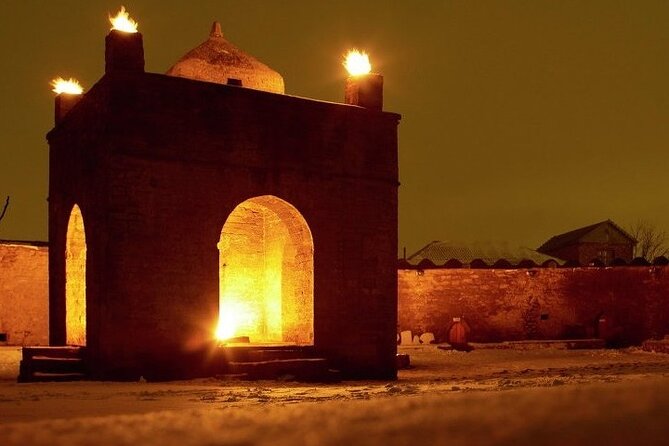
The second half of the tour crosses the Absheron Peninsula to Ateshgah, the Fire Temple near Surakhany Village. The site is tied to natural gas flames that once rose from the ground. Those fires drew Zoroastrian and Hindu fire worshippers, and the temple later became part religious complex and part stopping place for merchants on the Silk Road.
The complex includes a central fire shrine and surrounding rooms that once served as a caravanserai. Installations explain the lives of the hermits, worshippers, and merchants who passed through. This makes Ateshgah more than a quick photo stop. You get a sense of how religion, trade, and natural gas shaped life on Absheron.
The scheduled visit lasts about 90 minutes, giving the guide time to explain the site and allowing you to inspect the rooms. This is one of the tour’s better-balanced stops, though the quality of the explanation depends heavily on who leads your group.
A multilingual group can create a problem. The tour offers English and Russian guiding, and some departures have included two guides for three languages. That arrangement can mean pauses, repeated explanations, or information that is not translated fully. If you need detailed English interpretation, ask how languages will be handled on your departure.
Yanardag and the flame that refuses to go out
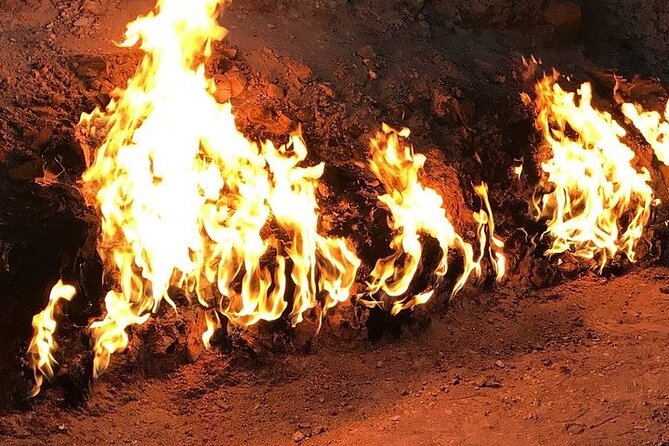
Yanardag, or Burning Mountain, is the final major stop. Gas rising through the ground feeds a line of flame on the hillside. Unlike the many natural fires once found across Absheron, this is the one that has survived as a maintained attraction.
The flames are not a huge volcano or a wall of fire. They burn along the rocky slope, which makes the sight more subtle and more interesting. At the observation area, you can also look across part of the Absheron Peninsula.
The scheduled visit lasts about an hour. That should be enough to see the fire, hear the explanation, and take photographs. Some people have wished for time for extra mountain rides or scooters available around other excursions, but this tour does not promise those activities. Its purpose is to show you Yanardag, not provide a range of add-on adventures.
Yanardag is a strong final stop because it connects the region’s geology with its old fire cults. The natural gas that created the flames also explains why Ateshgah became important.
The guide can make or break the day
The best part of this experience is often the guide rather than the vehicle or meal. Guides named Sayid, Zeyneb, Vusala, Nazperi, and Fidah have been praised for clear explanations, humor, warmth, and attention to the group. A strong guide helps you connect mud, rock art, fire, trade, and religion into one story about Azerbaijan.
The low scores point to the risk. One guide was described as inexperienced, rushed, quiet, and poor at organizing free time. Another account described a late pickup, little explanation during the drives, unclear timing, and a group left waiting for long periods. These are serious service problems, not minor complaints.
The group limit of 17 is small enough for personal contact when the guide is engaged. It is not small enough to prevent delays if people wander beyond the agreed meeting time. Listen carefully when the guide gives a return time, and ask for the next meeting point before you leave the vehicle.
Is $85 good value?
At $85 per person, the price is fair for a full day that includes an air-conditioned vehicle, a professional guide, lunch, and entry to the Mud Volcanoes Complex, Gobustan’s museum and exhibition, Ateshgah, and Yanardag. Paying admission separately and arranging transport to several sites would be more work, and taxis would not solve the off-road portion as neatly.
The value is strongest if you want a broad first look at the region. In one day, you see prehistoric art, unusual geology, Islamic architecture, fire worship, a former caravan stop, and a natural gas flame. That range is hard to match with a simple city tour.
The value is weaker if you want time and control. The schedule involves long transfers between Gobustan and Absheron, and any late start can squeeze the museum, volcanoes, or lunch. The tour also costs more than some local Old Town operators, according to one account. Compare the exact inclusions before choosing on price alone.
Who should book this experience?
I would recommend it to a first-time visitor with one free day in Baku who wants the major sights outside the city. It also suits anyone interested in archaeology, geology, ancient religions, or unusual natural attractions. The included lunch and entry fees make it simple for people who prefer one planned day.
Families can benefit from the variety, though the long drives and rough Lada ride may test younger children. Older adults may appreciate the guide’s help, but should ask about walking surfaces, vehicle changes, and the off-road transfer.
I would be cautious if you have a flight soon after the tour, need strict timing, dislike rough roads, or want a quiet archaeological visit. Some departures have returned around 6:45 p.m. or later, and one day ran 10.5 hours. Build in a generous buffer.
The free cancellation rule allows a full refund if you cancel at least 24 hours before the start time. Changes inside that window are not accepted, and a minimum group requirement applies.
Should you book it?
Book this tour if you want maximum sightseeing in one day and accept a brisk schedule. The mud volcanoes, Gobustan petroglyphs, Ateshgah, and Yanardag make a memorable combination, and a talented guide can turn the long drives into useful lessons about Azerbaijan.
If you book, confirm the pickup point, ask if the museum and mud volcanoes are definitely included, and check how much time is planned at each. Also ask how English and Russian guiding will be handled. For the best chance of a smooth day, choose this group tour for convenience, not for luxury or complete control.
FAQ
How long does the Gobustan and Absheron tour last?
The advertised duration is about eight to nine hours. Some departures have taken closer to ten hours or more because of traffic, pickup delays, vehicle changes, or slow group movement.
What attractions are included?
The tour includes the mud volcanoes, Gobustan’s modern museum and natural history exhibition, Gobustan rock art, Ateshgah Fire Temple, and Yanardag Burning Mountain. Bibi-Heybat Mosque may be seen on the return route.
Is lunch included in the price?
Yes. The included set meal lists two qutabs, assorted chicken, lamb and lula kebab, pilaf, choban salad, ayran or Coke, and tea.
Are admission tickets included?
Yes. Tickets are included for the Mud Volcanoes Complex, open-air museum, Fire Temple, Yanardag, and Natural History Exhibition.
How many people can join the group?
The tour has a maximum of 17 participants. The actual vehicle size can vary, and one departure required a change to a larger bus.
What languages does the guide speak?
Professional guiding is offered in English and Russian. Some departures may use more than one guide when several languages are needed.
Is transportation included?
Yes. An air-conditioned vehicle and landing and facility fees are included. The stated meeting point is 1 Azərbaycan Prospekti in Baku, while the tour description also refers to hotel transfer, so confirm your pickup arrangement.
Is the mud volcano visit off-road?
Yes. The route to the active craters uses a dirt road, and the experience may include an off-road ride in an old Russian Lada car.
Can I cancel for a full refund?
You can cancel for a full refund up to 24 hours before the experience starts. Cancellations or changes made less than 24 hours before the start time are not refunded or accepted.
Just added in Baku
- Wine Tour Baku★ 5.0 · 4 reviews
- Wine Tour Qabala with Local Lunch★ 5.0 · 10 reviews
- Traditional Azerbaijani Cuisine Workshop★ 5.0 · 5 reviews
- Wine Crawl Baku★ 5.0 · 2 reviews
- Baku City Guided Wine Tour (snacks included)★ 5.0 · 15 reviews
- Full Day KHINALUG and the Candy Mountains Tour★ 5.0 · 15 reviews
- Tour to the North part of Azerbaijan Forests and Mountatin Quba★ 5.0 · 10 reviews
- The Magnificent Baku Night Tour★ 5.0 · 3 reviews
Gobustan and Absheron Tours, compared.
Gobustan, Mud Volcano, Fire Mount, Temple Lunch Entry
Read our review →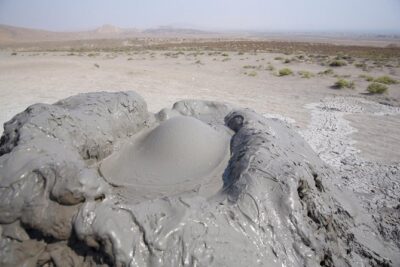
BEST Gobustan, Volcanoes & Absheron Fire Tour (Group or Private)
Read our review →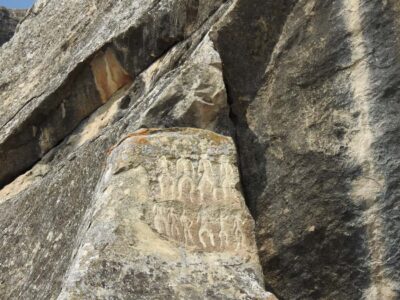
Gobustan, Volcanoes, Fire Temple and Yanardag Day Trip
Read our review →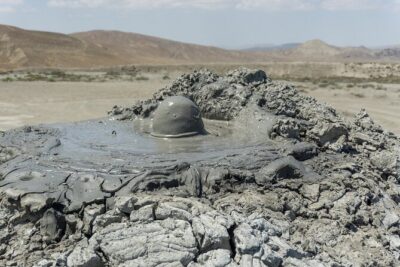
Gobustan & Mud, Fire Temple, Burning Mountain (Group & Private)
Read our review →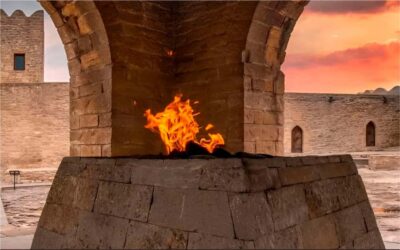
Mud Volcan-Fire Temple and Mountain Tour/Entrance inc
Read our review →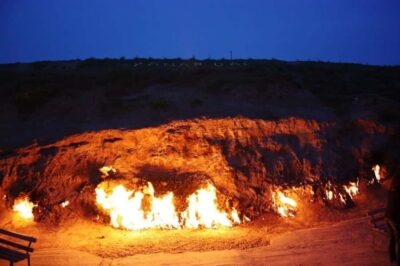
Gobustan Mud Volcanoes Temple & Entry tickets included
Read our review →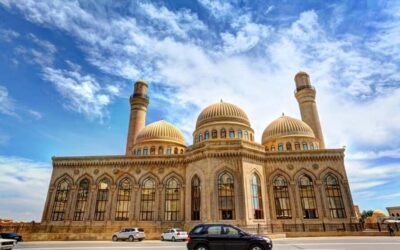
Gobustan-Absheron Tour with Hotel PICK UP and DROP OFF
Read our review →Other Azerbaijan lists this tour is on