
REVIEW · GOBUSTAN AND ABSHERON TOURS
Baku: Gobustan, Volcanoes, Fire Temple and Yanardag Day Trip
Azerbaijan’s strangest sights fit into one day. This $29 excursion links Gobustan’s Stone Age carvings with mud volcanoes, an old oil well, a Zoroastrian fire temple, and Yanardag’s burning hillside. I especially like the no-shopping-stop promise and the variety: this is not just another city sightseeing loop.
I also like the strong guiding, with names such as Sayed, Leyla, Mahabat, Elcan, and Ughur repeatedly praised for clear explanations, good humor, and patient help with photos. The main drawback is the tight schedule. Six stops spread across the Absheron region can feel busy, and heavy rain may cancel the mud volcano visit.
In This Review
- Key points before you book
- Why this day trip works so well from Baku
- Bibi-Heybat and the oil well that changed Baku
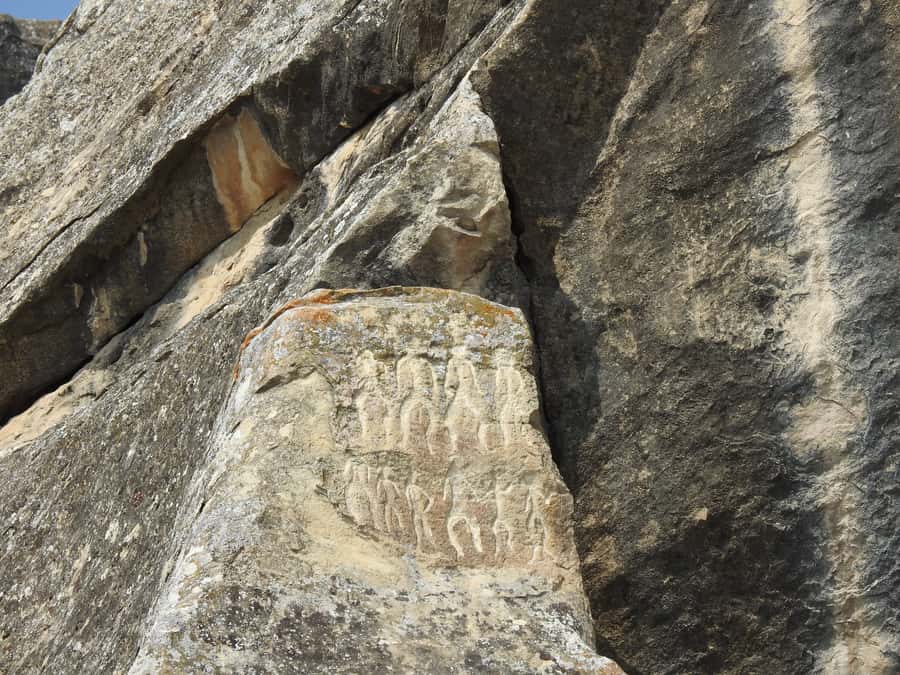
- Gobustan Museum and Stone Age rock drawings
- Mud volcanoes and the rough ride into the countryside
- Lunch at the buffet restaurant
- Ateshgah Fire Temple and the story of sacred flames
- Yanardag, the hillside that burns
- The guides and the pace of the day
- Is $29 good value?
- Practical tips for a better day
- Should you book this tour?
- FAQ
- How long does the Baku Gobustan and fire sites tour last?
- What is included in the tour price?
- Is lunch included?
- What languages are available?
- Can the mud volcano visit be canceled?
- Where can pickup and drop-off take place?
Key points before you book
- The tour reaches five very different sights: Bibi-Heybat, Gobustan, mud volcanoes, Ateshgah, and Yanardag.
- The mud volcano stop is the most unusual: access may involve a Soviet-era Lada over rough ground.
- Gobustan combines a museum and outdoor rock art: allow time for walking and listening to your guide.
- Lunch costs extra: expect about $8 to $12 at a buffet-style local restaurant.
- Guiding is a major strength: English and Russian tours are available, and several guides are praised for warmth and clear storytelling.
- Rain can change the plan: the mud volcanoes are skipped for safety on wet days.
Why this day trip works so well from Baku
Baku is easy to enjoy for a few days, but its most curious sights sit outside the center. Oil fields, prehistoric carvings, fire worship, and bubbling mud all tell different parts of Azerbaijan’s story. Seeing them together gives you a much clearer sense of why this country is often linked with fire and oil.
The route lasts about six to eight hours, depending on traffic, group size, and the pace at each stop. Hotel pickup and return are included, with a choice of 13 pickup points around central Baku, including major hotels, hostels, and selected city addresses. That matters because arranging separate taxis to Gobustan and the Absheron Peninsula would take time and planning.
I would choose this tour if you want a broad introduction to the area without spending several days arranging transport. You should not choose it if you prefer long museum visits, slow meals, or plenty of free time at every stop. This is a highlights day, not a leisurely archaeological study.
More Gobustan and Absheron trips:
- Baku: Gobustan, Mud Volcano, Fire Mount, Temple Lunch Entry
★ 4.9 · 3,246 reviews - BEST Gobustan, Volcanoes & Absheron Fire Tour (Group or Private)
★ 5.0 · 1,254 reviews - Gobustan and Absheron tour (All inclusive)
★ 5.0 · 1,014 reviews
Bibi-Heybat and the oil well that changed Baku
The first stop is near Bibi-Heybat Mosque, where you see an industrialized oil well described as the first of its kind in the world. The visit is short, about 30 minutes, but it gives useful context before Gobustan.
Baku’s modern wealth did not appear by accident. Oil shaped the city’s growth, its architecture, and its place in regional politics. Looking at an early oil site before visiting ancient carvings creates an interesting contrast: you begin with the forces that made modern Baku and then move back thousands of years.
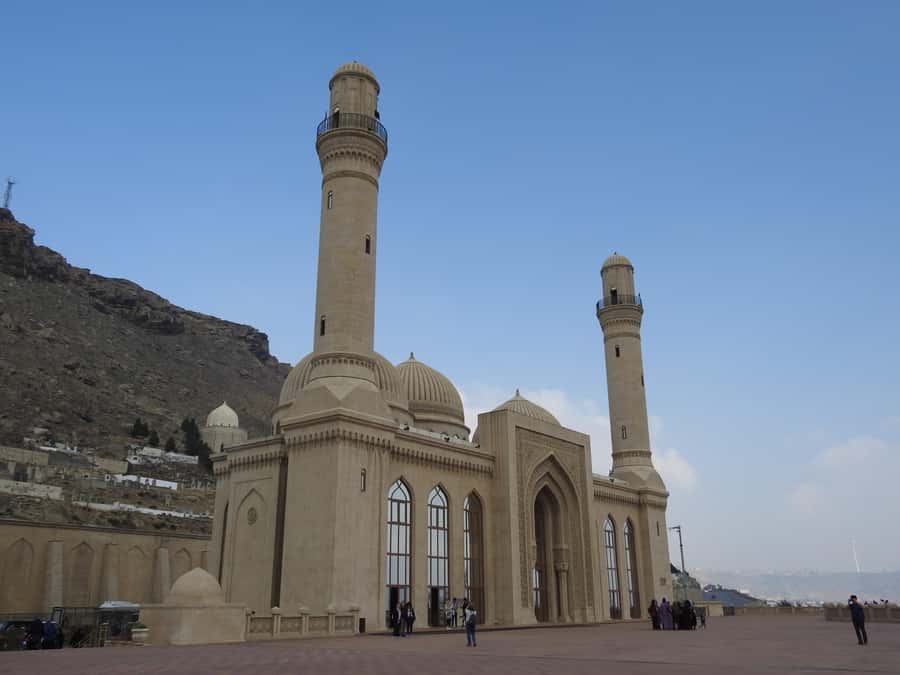
The mosque itself is also part of the visual setting. One guide described the area through both the oil story and the beauty of Bibi-Heybat Mosque, which helps connect industry, religion, and daily life rather than treating each sight as an isolated photo stop.
Do not expect a long technical presentation about drilling equipment. The value here is mainly orientation. Your guide can explain why oil matters so much to Baku, then the vehicle carries you toward the much older world of Gobustan.
Gobustan Museum and Stone Age rock drawings
Gobustan is the archaeological heart of the day. The museum sits about 70 kilometers from Baku and combines indoor displays with an outdoor visit to the rock art area. The guided portion is scheduled for about an hour.
The petroglyphs were carved on cave walls and rock surfaces by prehistoric people. They show animals, human figures, hunting scenes, boats, dances, and other parts of early life. The key is not just to look for one famous drawing. Take time to notice how the images reveal work, belief, movement, and the way people understood their surroundings.
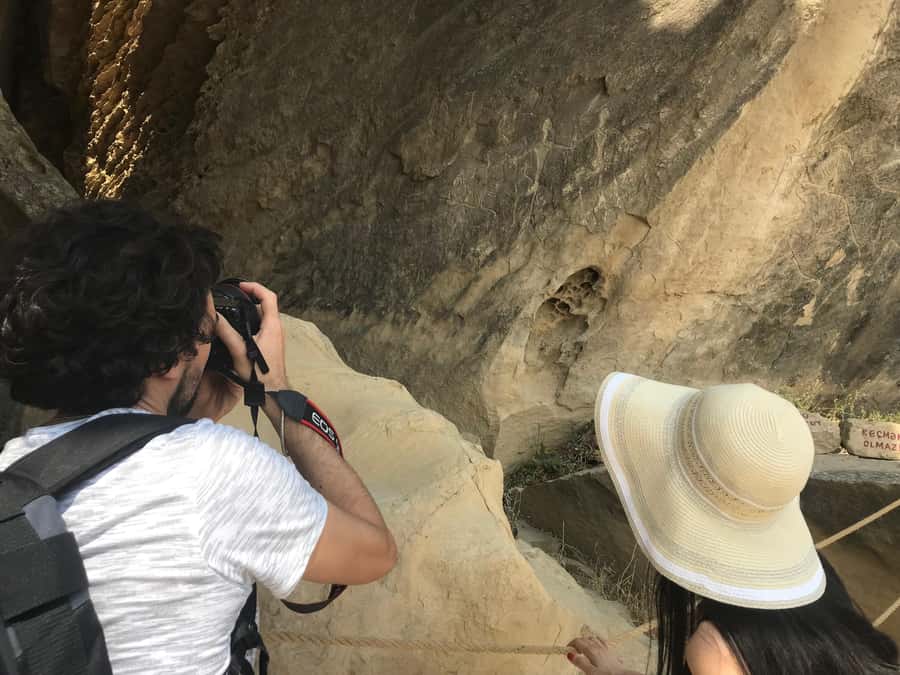
The museum helps you read the outdoor carvings. Without context, some markings can look faint or hard to interpret. With a guide explaining what you are seeing, the site becomes far more meaningful. Hongliang from China considered the paintings essential to a Baku visit, and that is sound advice if ancient art interests you.
The outdoor portion requires some walking over rocky ground. Wear shoes with a firm sole, and bring water, especially from late spring through summer. One visitor found the timetable tight, while another said the time at each location was adequate. Both points can be true: the schedule works, but you need to stay aware of the meeting time.
Gobustan is also one of the places where a good guide makes a large difference. Sayed is praised for answering questions and making the subject fun, while Mahabat is noted for handling a crowded day at the park calmly. If the site is busy, stay close enough to hear the explanation before wandering off for photos.
Mud volcanoes and the rough ride into the countryside
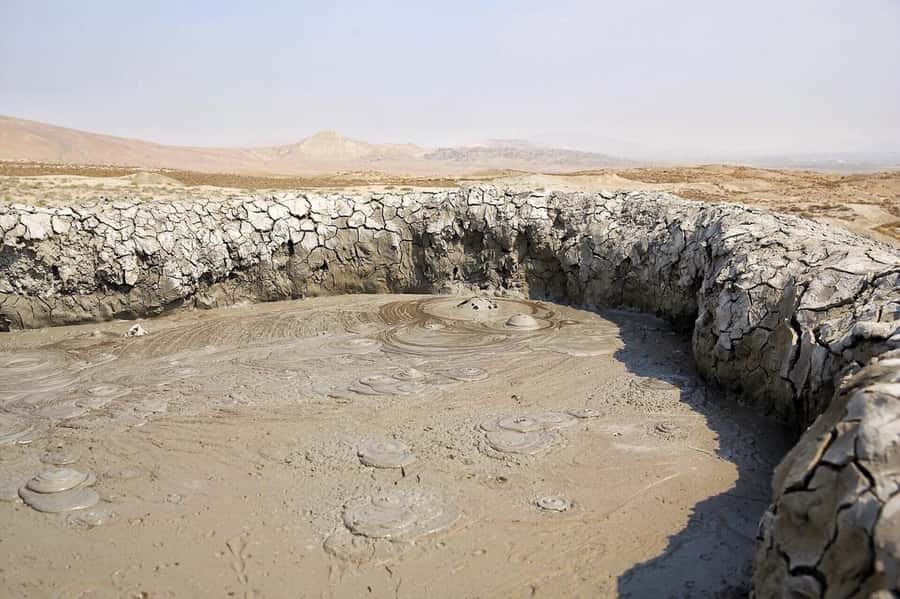
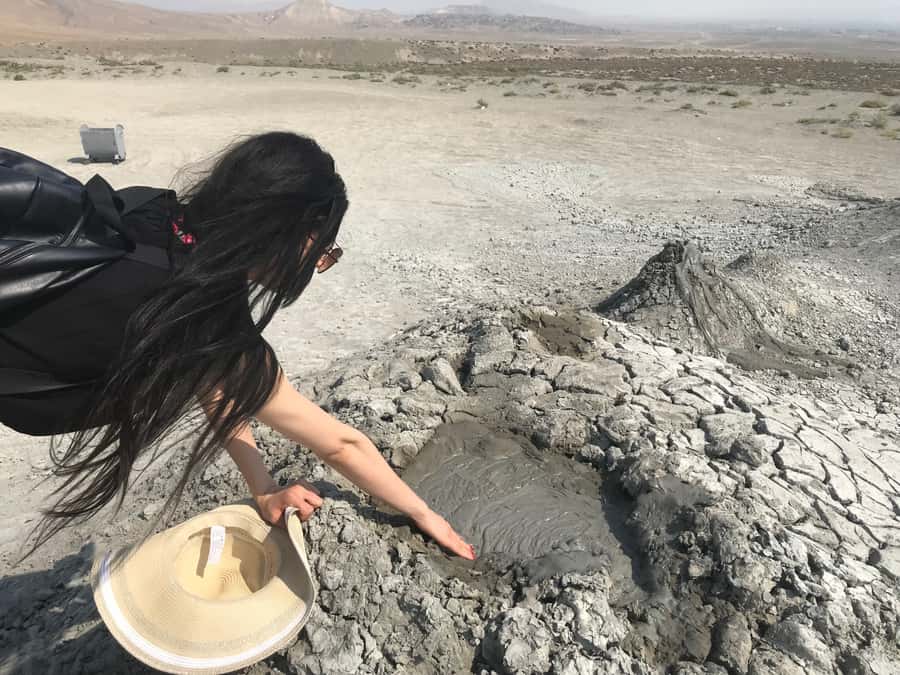
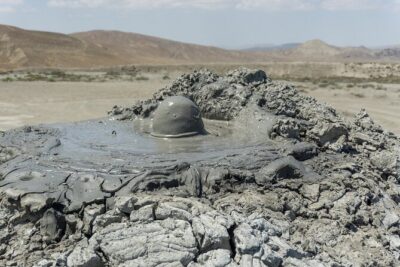
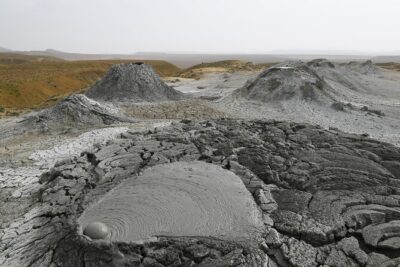
After Gobustan, the tour heads toward the coastal area of Azerbaijan, home to about 400 mud volcanoes. The stop lasts around 20 minutes, but it may be the most memorable part of the entire day.
Mud volcanoes are not ordinary volcanoes. Instead of molten rock, they push up cool or warm mud and gases from underground. The result can be a strange collection of small cones, wet patches, cracks, and bubbling pools. The setting feels stark and unusual, especially after the carved rocks of Gobustan.
The final approach may be part of the fun. Several bookings describe an off-road ride in old Soviet-era Lada vehicles. This is not a luxury transfer. It can be bumpy, dusty, and basic, but it gives the stop a more local and adventurous feel than arriving in a standard coach.
Keep your expectations sensible. The mud volcanoes are not guaranteed to produce a dramatic eruption while you are standing there. You might see bubbling mud or small bursts rather than a tall plume. The guide will help you understand what is happening, but the attraction is the odd geology and the setting, not a timed show.
Rain is the important condition here. The mud volcano visit is skipped on rainy days for safety, since the unpaved approach can become unsuitable. Ekaterina’s group missed the volcanoes during heavy rain and still found the day worthwhile, but you should know that this is the main part of the route most likely to change.
Wear clothes that can handle dust and shoes you do not mind getting dirty. If you want polished sightseeing with smooth paths, this stop may test your patience. If you enjoy unusual places and do not mind a rough ride, it is a real highlight.
A completely different kind of day out:
- Baku: Guba, Shahdag, Laza & Lunch w/ Free City & Night Tour
★ 4.8 · 1,455 reviews - Shamakhi And Gabala Tour (All inclusive)
★ 5.0 · 815 reviews - From Baku: Gabala and Shamakhi Tour (Free Baku City Tour)
★ 4.8 · 695 reviews - Baku: Candy Cane, Guba, Khinaliq village with Homemade Lunch
★ 4.9 · 519 reviews
Lunch at the buffet restaurant
Lunch is not included in the $29 price. The group stops at a buffet-style restaurant where you can buy a meal for about $8 to $12.
This arrangement keeps the basic tour price low and lets you choose what you want. Azerbaijani dishes are available, and one past group praised the range of food and another found the lunch delicious. Still, lunch is one area where expectations vary. Some people found the stop perfectly good, while others would prefer a better venue.
You should treat this as a practical meal break rather than a destination meal. The advantage is speed and choice, since a buffet can serve a group more efficiently than ordering individually. The disadvantage is that you have less control over the length of the stop and the setting.
If food is central to your trip, ask the guide what is available before filling your plate. If you are vegetarian or have dietary restrictions, the supplied details do not guarantee particular dishes, so do not assume the buffet will meet every need. Bring water with you as well. One summer booking specifically wished that water had been provided in the vehicle.
Ateshgah Fire Temple and the story of sacred flames
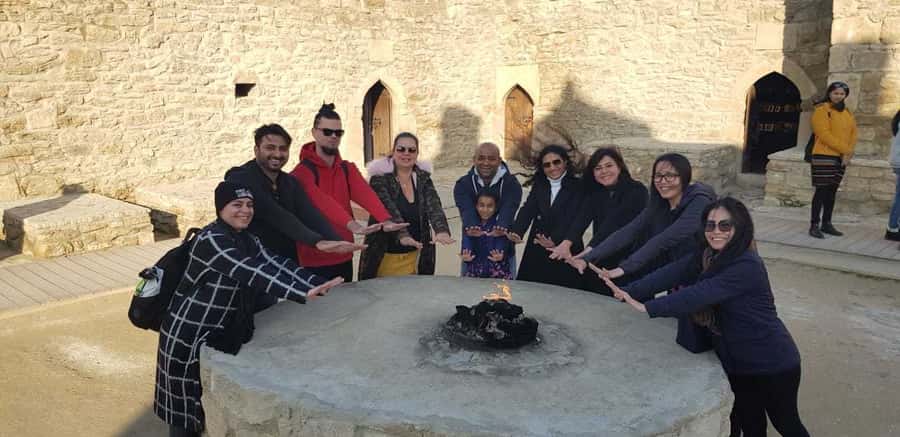
After lunch, the route turns toward Ateshgah, the ancient Zoroastrian fire temple. The guided visit takes about 40 minutes.
Ateshgah was a holy place for fire worshippers, built around natural gas flames that once burned from the ground. The temple’s courtyard, cells, and central altar help explain how merchants and religious visitors used the site. It is a place where geography shaped belief: underground gas made fire appear eternal, and eternal fire carried spiritual meaning.
The temple is valuable because it adds human history to the day’s geology. At Gobustan, you see prehistoric marks. At the mud volcanoes, you see the earth pushing gas and mud upward. At Ateshgah, those natural forces become part of a religious tradition.
The stop is not huge, so 40 minutes is usually enough for a guided visit and photographs. I would listen first, then explore the courtyard. The guide’s explanation gives the buildings more meaning than a quick walk around the walls.
The temple can feel quite different from the open Gobustan area. It is more structured and focused, with a clear religious purpose. If you are interested in the history of Zoroastrianism, this may be your favorite stop. If you prefer natural sights, Yanardag and the mud volcanoes will probably make the stronger impression.
Yanardag, the hillside that burns
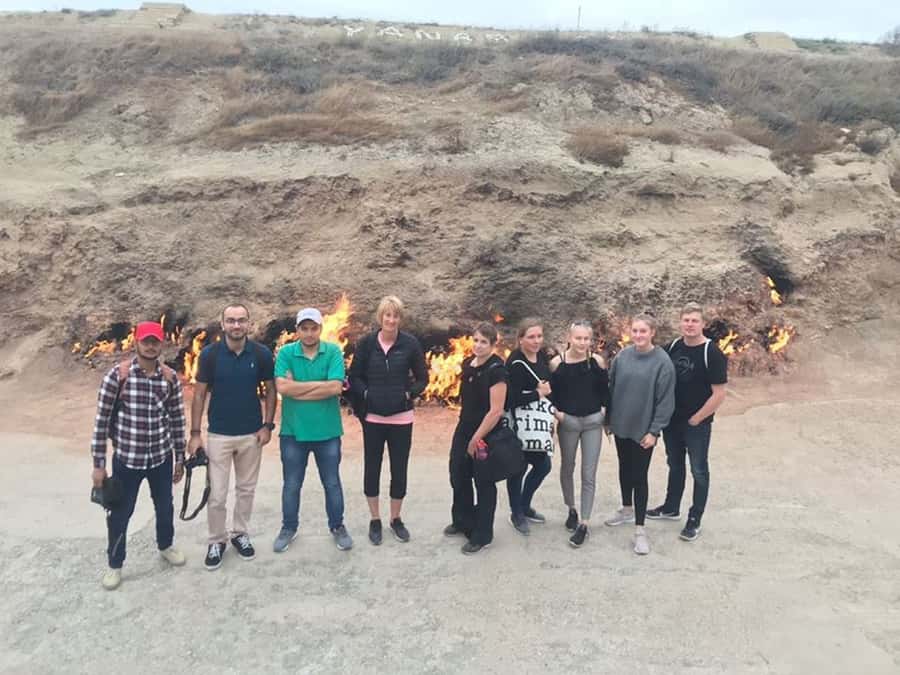
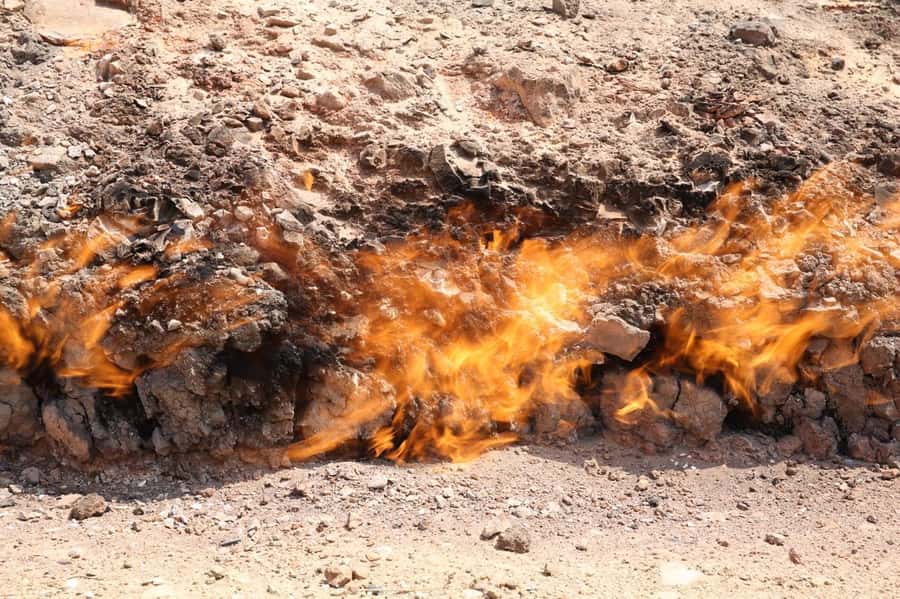
The final major stop is Yanardag, or Burning Mountain, where natural gas burns continuously on a hillside on the Absheron Peninsula. The visit lasts about 30 minutes.
Yanardag is smaller than some first-time visitors expect, but its simplicity is part of the appeal. You are looking at flames coming directly from the ground, not a staged fire effect. The sight makes the phrase Land of Fire feel less like a slogan and more like a description of the region’s geology.
The flames are best understood as the final link in the day’s story. Oil shaped modern Baku. Gas feeds the fire at Ateshgah and Yanardag. Mud volcanoes show another result of underground pressure. Gobustan takes you even further back, to people recording their world on stone.
This is also a strong photo stop, but do not spend the entire visit looking through your phone. Watch the fire closely and listen to the explanation. Some details are easy to miss if you only arrive, take a picture, and leave.
The guides and the pace of the day
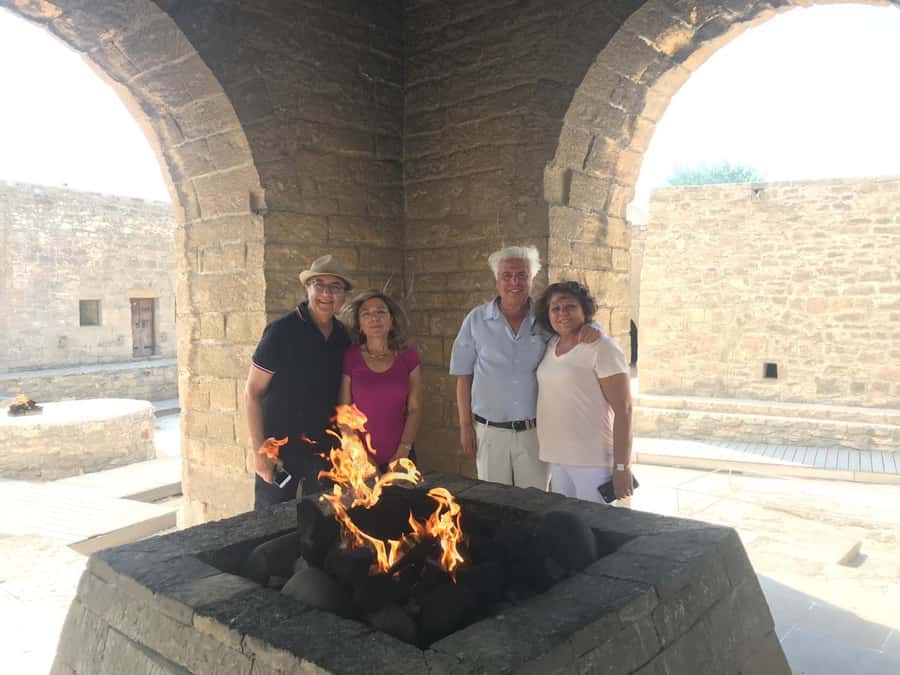
The guide can make or break a route with this many stops. The most praised guides include Sayed, Leyla, Mahabat, Elcan, Ughur, Musa, Samir, and Zaur. The qualities that matter most are clear English, useful background information, patience, humor, and help with group photos.
Sayed is often praised for keeping the day lively while answering questions in detail. Leyla is noted for being caring, organized, and helpful with photographs. Elcan is described as well prepared and attentive, while Ughur receives praise for careful planning. These details suggest a company with several strong guides rather than a tour dependent on one person.
English and Russian guiding are available. One booking also described explanations in English and Turkish, but Turkish should not be treated as a standard language unless the provider confirms it for your departure.
Group size can vary because private and small-group options are available. A four-person group found the experience comfortable, while another booking praised a group size that felt just right. Smaller groups usually make it easier to ask questions and move at your own pace, but the exact vehicle and group arrangement should be confirmed when you book.
The schedule is the tradeoff. You cover a large area and return to Baku the same day, but a delayed pickup or busy Gobustan can compress later stops. Keep your evening plans flexible.
Is $29 good value?
At $29 per person, the tour offers strong value if the listed entrance fees are included in your selected option. You get hotel pickup and drop-off, transportation, a professional guide, and access to several major sights in one day.
The comparison is simple. You could arrange taxis, pay separate entrance fees, and try to coordinate Gobustan, the volcanoes, Ateshgah, and Yanardag yourself. That may give you more freedom, but it also creates more opportunities for delays and confusion. The tour costs more than a simple taxi to one attraction, yet far less than a private full-day car arrangement.
Lunch is the main extra cost. Add $8 to $12 for the buffet, plus any personal spending. The mud volcano transfer may also use separate Soviet-era vehicles, so listen to the guide’s instructions about where to change vehicles and when to return.
The published score is 4.7 from 433 ratings, and the repeated praise focuses on organization and guiding rather than only on the sights. That is important. The route itself is unusual, but its value depends on someone explaining what you are seeing and keeping the day moving.
Practical tips for a better day
Bring water, sun protection, and sturdy shoes. The route includes outdoor areas, uneven ground, dust, and exposed sites, so comfort matters more than dressing up.
Keep a light jacket or rain layer available. Weather can affect the mud volcano stop, and the day includes time outside even when the vehicle is comfortable.
Choose an early pickup if you have the option. The tour can last six to eight hours, and traffic around Baku may affect the return time.
Do not skip breakfast. Lunch comes later in the route, and the schedule is full.
Tell the provider about your preferred pickup point clearly. The available locations include major hotels such as the JW Marriott Absheron, Courtyard by Marriott Baku, Baku Marriott Hotel Boulevard, and Hilton Baku, as well as SAHIL Hostel and several central addresses. The provider contacts you the day before to confirm the pickup time.
The tour allows free cancellation up to 24 hours before departure, and you can reserve now and pay later. That is useful if your weather plans are uncertain, especially because rain can remove the mud volcano stop.
Should you book this tour?
Book it if you want to see the main sights beyond Baku in one efficient day, especially Gobustan’s rock art, the mud volcanoes, Ateshgah, and Yanardag. It suits first-time visitors, history fans, photographers, and anyone who prefers a guide and included transport over independent logistics.
Think twice if you dislike long drives, rough roads, fixed schedules, or buffet lunches. The mud volcanoes may be canceled in rain, and the time at Gobustan or Yanardag may feel short if you like to explore slowly.
For most people with only a few days in Baku, I would book it. The no-shopping format protects your limited time, the price is fair, and the route gives you an unusually broad look at Azerbaijan’s archaeology, geology, religion, and oil story in a single outing.
FAQ
How long does the Baku Gobustan and fire sites tour last?
The tour lasts approximately six to eight hours, depending on the starting time, traffic, group size, and conditions at the stops.
What is included in the tour price?
Hotel pickup and drop-off, transportation, and a professional guide are included. Museum tickets and entrance fees are included if you select the option that includes them.
Is lunch included?
No. The tour stops at a buffet-style restaurant where you can purchase lunch. The stated cost is about $8 to $12.
What languages are available?
Live guiding is available in English and Russian.
Can the mud volcano visit be canceled?
Yes. The mud volcano stop is skipped on rainy days for safety reasons.
Where can pickup and drop-off take place?
Pickup and drop-off are available at 13 listed locations around Baku, including selected hotels, SAHIL Hostel and Hotel, Shafa Stadium, and central city addresses. The activity provider contacts you the day before to confirm the pickup time.
Just added in Baku
- Wine Tour Baku★ 5.0 · 4 reviews
- Wine Tour Qabala with Local Lunch★ 5.0 · 10 reviews
- Traditional Azerbaijani Cuisine Workshop★ 5.0 · 5 reviews
- Wine Crawl Baku★ 5.0 · 2 reviews
- Baku City Guided Wine Tour (snacks included)★ 5.0 · 15 reviews
- Full Day KHINALUG and the Candy Mountains Tour★ 5.0 · 15 reviews
- Tour to the North part of Azerbaijan Forests and Mountatin Quba★ 5.0 · 10 reviews
- The Magnificent Baku Night Tour★ 5.0 · 3 reviews
Gobustan and Absheron Tours, compared.
Gobustan, Mud Volcano, Fire Mount, Temple Lunch Entry
Read our review →
BEST Gobustan, Volcanoes & Absheron Fire Tour (Group or Private)
Read our review →
Gobustan & Mud, Fire Temple, Burning Mountain (Group & Private)
Read our review →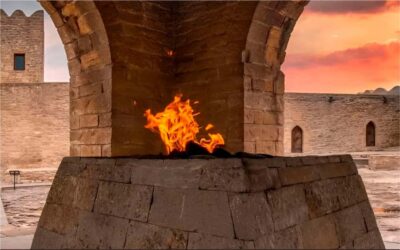
Mud Volcan-Fire Temple and Mountain Tour/Entrance inc
Read our review →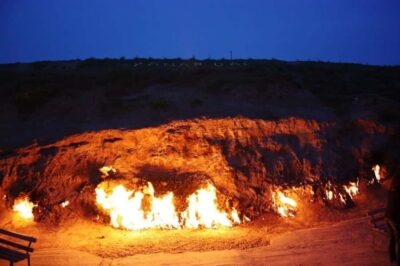
Gobustan Mud Volcanoes Temple & Entry tickets included
Read our review →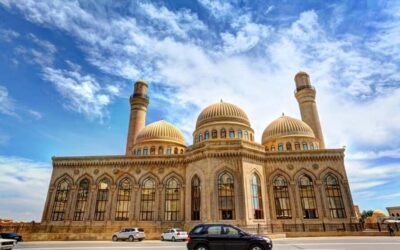
Gobustan-Absheron Tour with Hotel PICK UP and DROP OFF
Read our review →Other Azerbaijan lists this tour is on