
REVIEW · GOBUSTAN AND ABSHERON TOURS
Gobustan and Fire temple Tour with Polish speaking guide
Azerbaijan puts fire beneath your feet. This full-day trip from Baku brings together Gobustan’s mud volcanoes and ancient rock art, then moves across Absheron to the Bibiheybat Mosque, an early oil-well site, Ateshgah Fire Temple, and Yanardagh. I like the wide range of stops, and I like having a Polish-speaking guide to explain the history rather than leaving you to piece it together from signs.
The main thing to consider is the packed schedule. You see many important places in one day, but the tour is designed for broad coverage, not long, quiet visits at every stop. Entry tickets are also extra unless you choose the ticket-inclusive option, so check the final price before booking.
In This Review
- Key points to know before booking
- Why this tour works well from Baku
- Gobustan Mud Volcanoes: strange earth in motion
- Gobustan Rock Arts: pictures from early human life
- Bibiheybat Mosque: a change of pace beside Baku
- The first drilled oil well and Azerbaijan’s oil story
- Ateshgah Fire Temple: sacred fire and shared traditions
- Yanardagh: the Burning Mountain
- Heydar Aliyev Center: a final photo stop
- Transport, guide, and the practical rhythm
- Is $65 a fair price?
- Who should book this experience?
- Final verdict: a strong one-day introduction
- FAQ
- What language is the tour conducted in?
- What is included in the $65 price?
- Are entrance tickets included?
- How much are the extra entrance tickets?
- Does the tour enter the Heydar Aliyev Center?
- Can I cancel the booking?
Key points to know before booking
- Gobustan combines mud volcanoes and prehistoric rock art, giving you two very different reasons to visit the same region.
- Ateshgah and Yanardagh explain Azerbaijan’s fire traditions, from a historic worship site to a natural gas flame on a hillside.
- Bibiheybat Mosque adds a strong cultural and architectural stop between the outdoor sites.
- The tour includes the site of the world’s first drilled oil well, linking Azerbaijan’s natural resources with its oil boom.
- A Polish-speaking guide is provided, along with hotel pickup, return transport, and a bottle of water.
- Tickets cost an extra 30 AZN when not included, covering Gobustan, Ateshgah, and Yanardagh.
Why this tour works well from Baku
Baku is a modern capital, but the most unusual sights around it sit outside the city. Gobustan and the Absheron Peninsula reveal a different side of Azerbaijan: bubbling mud, old carvings, sacred fire, oil wells, and a mosque with a long local story.
That makes this a useful choice if you have limited time in Baku. Instead of arranging several separate trips, you can cover the main sights in one day with transport between them. The route also has a clear theme. Azerbaijan’s underground resources shaped its geology, religion, industry, and daily life.
I especially like that the trip is not limited to one type of attraction. Gobustan is about early human life and unusual earth formations. Bibiheybat is about faith and design. The oil-well stop is about industry. Ateshgah and Yanardagh turn the idea of natural fire into something you can see and discuss.
The trade-off is simple: this is a highlights tour. If you prefer spending half a day studying one archaeological site, you may find the pace too quick. If you want a broad introduction to the area, the range is a major advantage.
More Gobustan and Absheron trips:
- Baku: Gobustan, Mud Volcano, Fire Mount, Temple Lunch Entry
★ 4.9 · 3,246 reviews - BEST Gobustan, Volcanoes & Absheron Fire Tour (Group or Private)
★ 5.0 · 1,254 reviews - Gobustan and Absheron tour (All inclusive)
★ 5.0 · 1,014 reviews
Gobustan Mud Volcanoes: strange earth in motion
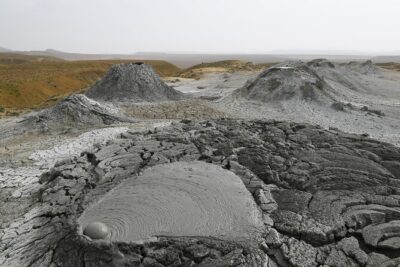
The first major natural stop is the Gobustan Mud Volcanoes. These formations are not ordinary volcanoes. Instead of hot lava, they bubble and ooze mud and gases, creating a raw, unusual setting that feels unlike central Baku.
You can expect the appeal here to be visual and geological rather than polished. The ground may look rough and barren, and the small pools of moving mud are the attraction. I would approach this stop with curiosity rather than expecting a grand viewpoint or a formal museum setting.
The mud volcanoes help explain why Azerbaijan is often associated with fire and underground energy. The same region has long been shaped by gas and oil beneath the surface. Here, you see that force in a slow, earthy form.
Wear shoes that you do not mind using outdoors. The tour information does not promise a particular walking distance or ground condition, so practical footwear is the sensible choice. A bottle of water is provided, but carrying extra water may still be useful on a warm day.
Your guide matters at this stop. Without context, bubbling mud can seem like a quick photo opportunity. With an explanation of how the formations work and why they occur here, the visit becomes far more interesting.
Gobustan Rock Arts: pictures from early human life
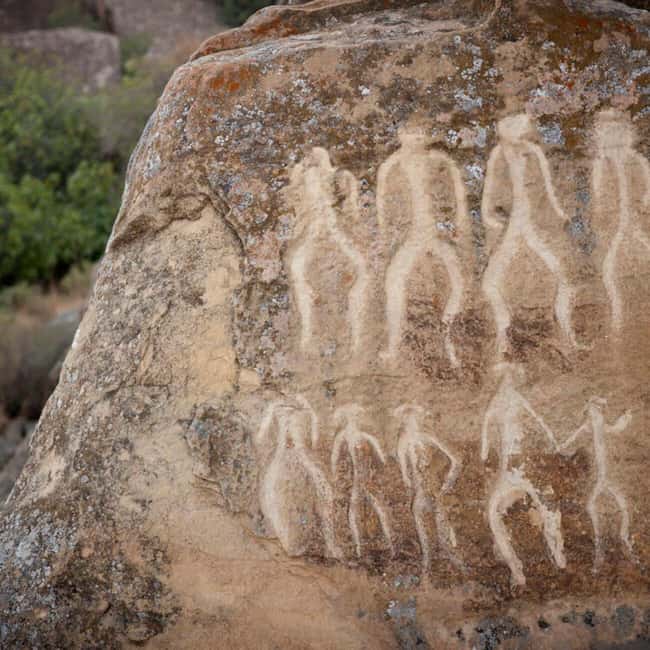
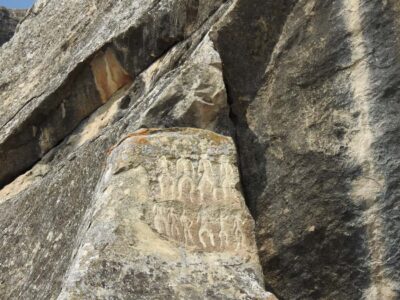
The Gobustan rock-art area shifts the focus from geology to people. Here you see petroglyphs carved into stone thousands of years ago. The images offer clues about early settlers and the way they represented animals, people, movement, and daily activity.
This is one of the most valuable parts of the tour because the carvings connect a present-day trip with a very distant past. You are not simply looking at old stones. You are looking at marks made by people who lived in this region long before modern Azerbaijan existed.
Take time to listen to the guide’s explanation. Rock art can be hard to interpret on your own, especially when carvings have weathered over time. A guide can point out the figures and explain their importance without asking you to guess what you are seeing.
Gobustan is also a reminder that ancient sites do not always arrive in the form of grand buildings. The rock surfaces are the record. That makes the visit quieter and more thoughtful than the fire sites later in the day.
The entrance to the Gobustan rock art and mud-volcano portion is included in the combined extra-ticket charge if you do not select tickets in advance. The stated price is 15 AZN for Gobustan Rock Arts and mud volcanoes.
Bibiheybat Mosque: a change of pace beside Baku
Bibiheybat Mosque gives the day a needed change of rhythm. After outdoor geological and archaeological stops, you visit a place shaped by worship, architecture, and local memory.
The mosque is presented as an important part of Azerbaijan’s cultural heritage, and its design is a key reason to stop. You can admire the building itself while your guide explains its place in local history.
I like this inclusion because it keeps the tour from becoming a series of natural wonders. Azerbaijan’s story is not only under the ground or carved into rock. It is also found in religious buildings and continuing traditions.
Be respectful at the mosque. The supplied information does not give a detailed dress code or visiting procedure, so modest clothing is a wise general choice for a religious site. Your guide should help explain what is appropriate during the visit.
The exact amount of time at Bibiheybat is not stated. That matters because this is a multi-stop day. Expect a meaningful visit, but do not plan on a long independent architectural study unless the schedule allows it.
A completely different kind of day out:
- Baku: Guba, Shahdag, Laza & Lunch w/ Free City & Night Tour
★ 4.8 · 1,455 reviews - Shamakhi And Gabala Tour (All inclusive)
★ 5.0 · 815 reviews - From Baku: Gabala and Shamakhi Tour (Free Baku City Tour)
★ 4.8 · 695 reviews - Baku: Candy Cane, Guba, Khinaliq village with Homemade Lunch
★ 4.9 · 519 reviews
The first drilled oil well and Azerbaijan’s oil story
One of the more unusual stops is the site identified as the world’s first drilled oil well. This connects the natural features of the region with Azerbaijan’s place in the development of the oil industry.
The stop is valuable because it gives context to Baku’s growth. Oil was not just a resource in the background. It helped shape the city and the wider area. After seeing mud and gas in their natural forms, you get a clearer sense of how underground energy became an industrial force.
This may be a short visit rather than a full museum experience. The tour description does not list an extensive oil exhibition or a separate specialist presentation. Think of it as a historical stop where the guide supplies the story.
I would pay attention to the contrast. Gobustan shows a landscape shaped by natural forces. The oil-well site shows people harnessing those forces for industry. That connection gives the day more structure than a simple list of attractions.
Ateshgah Fire Temple: sacred fire and shared traditions
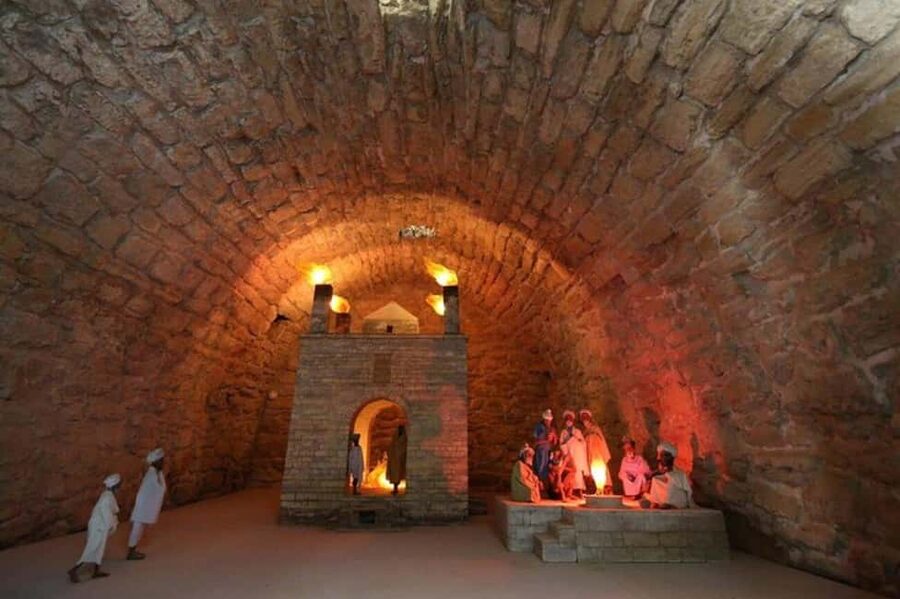
Ateshgah, often called the Fire Temple of Baku, is one of the tour’s main cultural stops. The site was used by Zoroastrians, Hindus, and Sikhs, and it is associated with natural gas-fueled flames.
That mix of religious traditions makes Ateshgah especially interesting. It is not presented as a site belonging to only one group. Instead, it reflects the way natural fire could draw worshippers from different communities over time.
The temple’s courtyard and stone structures create a strong sense of place. The fire connection is the obvious draw, but the wider value comes from learning why fire mattered here and how different religious groups used the site.
Do not expect the same setting as a functioning city mosque. Ateshgah is a historic religious site visited for its architecture, story, and association with flame. Your guide’s commentary is important, since the meaning of the buildings may not be clear from the stones alone.
If tickets are not selected with the booking, Ateshgah and Yanardagh are covered by a combined 15 AZN charge. The tour’s information groups those two attractions together for ticket purposes, so confirm the exact ticket arrangement when you reserve.
Yanardagh: the Burning Mountain
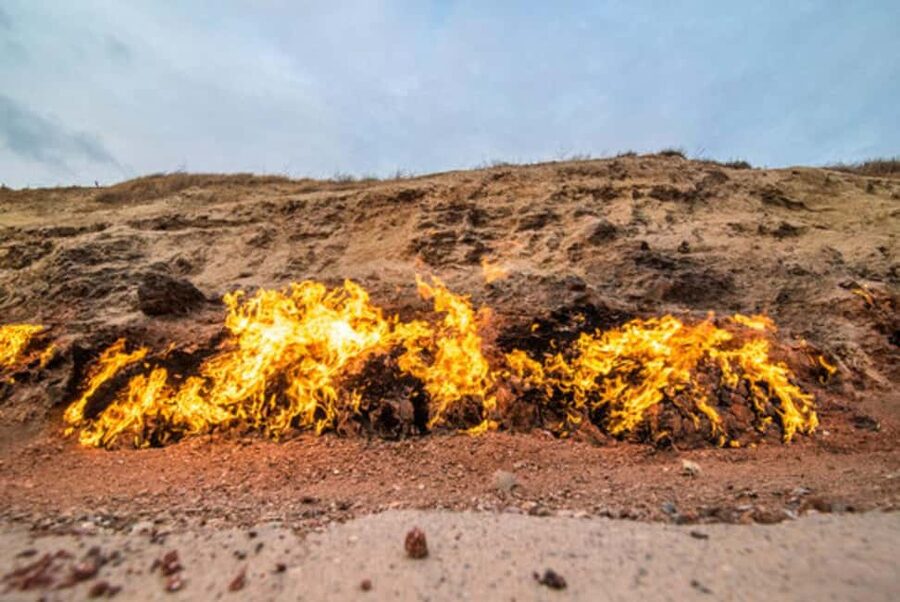
Yanardagh means Burning Mountain, and the name tells you what makes it memorable. Natural gas burns continuously on a hillside, creating a flame that has attracted attention for centuries.
This is a simple sight, but it is hard to confuse with anything else on a typical city tour. You are watching fire come directly from the earth. After Gobustan’s mud volcanoes and Ateshgah’s religious connection to flame, Yanardagh feels like the final piece of the underground-energy story.
The best way to appreciate it is to see it as part of the route rather than as an isolated spectacle. Gobustan shows mud and gas, Ateshgah shows sacred use, and Yanardagh shows a natural flame still burning on the hillside.
The tour does not specify the length of the stop or the viewing conditions. The fire itself is the focus, so this is likely a compact visit compared with the rock-art section. Keep that in mind if you are hoping for a long walk or a broad nature outing.
Heydar Aliyev Center: a final photo stop
The Heydar Aliyev Center is the last point on the route. Groups visit it for sightseeing and photographs, but they do not enter the building because of time limits.
That detail is important. The center is included as an exterior stop, not as an interior architecture visit. If you want to see the famous interior exhibitions, you will need to return separately.
As a closing stop, it gives the day a modern finish. The earlier sites connect you with ancient carvings, old religious traditions, and the early oil industry. The Heydar Aliyev Center brings you back to contemporary Baku.
I appreciate the honesty about the time limit. It prevents a common disappointment: arriving at a major building and assuming admission is included. Treat this as a photo opportunity and plan a separate visit if the interior matters to you.
Transport, guide, and the practical rhythm
Hotel pickup and drop-off are included, along with roundtrip transportation. Pickup can also be arranged from a central location, which is useful if your accommodation is not covered by the pickup area.
The vehicle is described as comfortable, but no group size, vehicle type, or tour duration is provided. That means you should not assume a private car or a small group. If those details affect your decision, ask Heritage Travel before booking.
The Polish-speaking guide is one of the strongest reasons to choose this version of the tour. The attractions span archaeology, geology, religion, architecture, and oil history. Clear explanations make a large difference, especially at Gobustan and Ateshgah.
A bottle of water is included. It is a small detail, but a sensible one for a day with outdoor stops. You should still dress for changing conditions and wear comfortable footwear, since the tour includes natural and archaeological sites rather than only paved city streets.
The schedule may feel full. You will move from site to site, and the Heydar Aliyev Center is specifically shortened to an exterior photo stop. The benefit is efficiency. The cost is less free time at individual attractions.
Is $65 a fair price?
The listed price is $65 per person. For that amount, you receive hotel or central pickup, return transport, a Polish-speaking guide, and water. Those services make the price reasonable for someone who wants to cover Gobustan and Absheron without arranging several transfers.
The key price issue is admission. Entry tickets are not automatically included unless you choose the option that includes them. If you do not select that option, the stated total for Gobustan, Ateshgah, and Yanardagh is 30 AZN:
- 15 AZN for Gobustan Rock Arts and mud volcanoes
- 15 AZN for Ateshgah and Yanardagh
Add that amount to the advertised tour price when comparing options. A cheaper-looking tour can become less attractive once transport, guiding, and tickets are added separately.
At $65, I see the strongest value for first-time visitors who want an organized overview. You are paying for convenience and interpretation as much as for the stops themselves. If you already have a rental car and prefer to visit each site slowly, the value may be less compelling.
The option to reserve now and pay later also gives you some flexibility. Cancellation is available up to 24 hours in advance for a full refund, which is useful when your Baku plans may change.
Who should book this experience?
I would recommend this tour to you if you want a broad introduction to Baku’s surrounding sights and prefer not to manage transport. It is especially suitable if you speak Polish and want explanations in that language.
It also works well for anyone interested in several subjects at once. You get ancient art, unusual geology, religious architecture, oil-industry history, natural gas fires, and modern Baku in one day.
Families and mixed-interest groups may appreciate the variety. One person can enjoy the mud volcanoes, another can focus on the mosque or fire temple, and someone else can follow the oil story. The tour does not ask you to spend the entire day in one museum.
I would hesitate if your priority is a slow, deeply focused visit. The number of stops means the schedule has to keep moving. You should also budget for the extra entrance fees unless you choose the ticket-inclusive option.
Final verdict: a strong one-day introduction
This is a well-rounded excursion for seeing the unusual sides of Gobustan and Absheron from Baku. The best parts are the combination of mud volcanoes and petroglyphs, the clear fire theme linking Ateshgah with Yanardagh, and the Polish-speaking guide who can add meaning to sites that might otherwise seem puzzling.
Book it if you value convenience, broad coverage, and historical context. Before paying, check whether entrance tickets are included and remember that the Heydar Aliyev Center is an exterior photo stop only. If you accept the busy schedule, $65 offers a practical way to see several of Azerbaijan’s most distinctive sights in one day.
FAQ
What language is the tour conducted in?
The tour includes a Polish-speaking guide. The additional information lists Polish as the available language.
What is included in the $65 price?
Hotel pickup and drop-off, roundtrip transportation, a multilingual guide, and one bottle of water are included.
Are entrance tickets included?
Entrance tickets are extra unless you select the option that includes tickets. Without that option, the stated ticket cost is 30 AZN for Gobustan, Ateshgah, and Yanardagh.
How much are the extra entrance tickets?
The stated price is 15 AZN for Gobustan Rock Arts and mud volcanoes, plus 15 AZN for Ateshgah and Yanardagh.
Does the tour enter the Heydar Aliyev Center?
No. The Heydar Aliyev Center is the final sightseeing and photo stop, and groups do not enter because of time limits.
Can I cancel the booking?
You can cancel up to 24 hours in advance for a full refund. The tour also offers a reserve-now, pay-later option.
Just added in Baku
- Wine Tour Baku★ 5.0 · 4 reviews
- Wine Tour Qabala with Local Lunch★ 5.0 · 10 reviews
- Traditional Azerbaijani Cuisine Workshop★ 5.0 · 5 reviews
- Wine Crawl Baku★ 5.0 · 2 reviews
- Baku City Guided Wine Tour (snacks included)★ 5.0 · 15 reviews
- Full Day KHINALUG and the Candy Mountains Tour★ 5.0 · 15 reviews
- Tour to the North part of Azerbaijan Forests and Mountatin Quba★ 5.0 · 10 reviews
- The Magnificent Baku Night Tour★ 5.0 · 3 reviews
Gobustan and Absheron Tours, compared.
Gobustan, Mud Volcano, Fire Mount, Temple Lunch Entry
Read our review →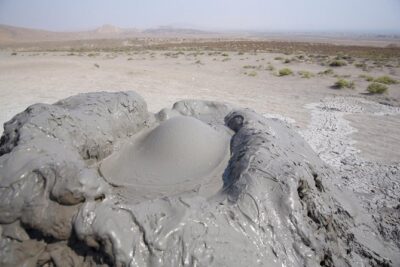
BEST Gobustan, Volcanoes & Absheron Fire Tour (Group or Private)
Read our review →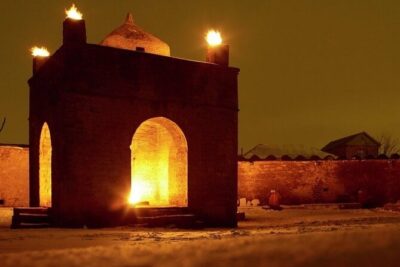
Gobustan, Volcanoes, Fire Temple and Yanardag Day Trip
Read our review →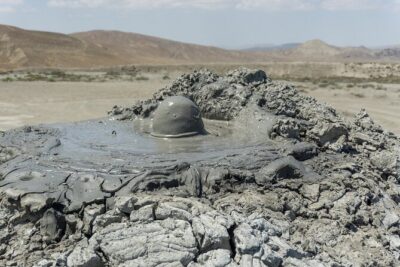
Gobustan & Mud, Fire Temple, Burning Mountain (Group & Private)
Read our review →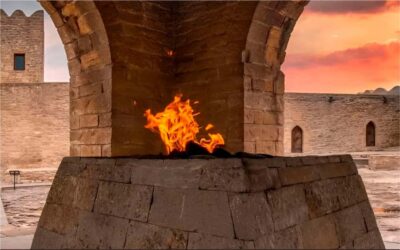
Mud Volcan-Fire Temple and Mountain Tour/Entrance inc
Read our review →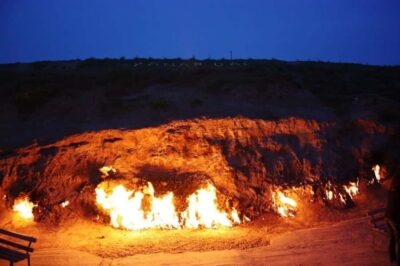
Gobustan Mud Volcanoes Temple & Entry tickets included
Read our review →Other Azerbaijan lists this tour is on