
REVIEW · GOBUSTAN AND ABSHERON TOURS
Gobustan-Absheron Tour
Ancient marks, living fire, and bubbling mud await. This long day links Azerbaijan’s strangest sights outside Baku, from prehistoric rock art to the Ateshgah Fire Temple. I especially like the unusual mix of nature and archaeology, plus the chance to see the country’s oil story at its earliest well. The main drawback is time: nine to eleven hours is a serious commitment, and several entrance tickets are not included.
The tour also earns points for its small-group limit of 18 people, air-conditioned transport, and English or Russian guiding. Past guides such as Naz, Nazef, Emir, and Mishfig received especially warm praise for clear explanations and flexible help. Still, guide quality can vary, and one poor experience involved a rushed, overly stern guide.
In This Review
- Key points at a glance
- Why this Baku day trip makes sense
- The first oil well and Azerbaijan’s petroleum story
- Mud volcanoes on a gray, bubbling plain
- Gobustan’s petroglyphs and the story of early people
- The Gobustan museum adds needed context
- Lunch in Baku and the tour’s biggest value question
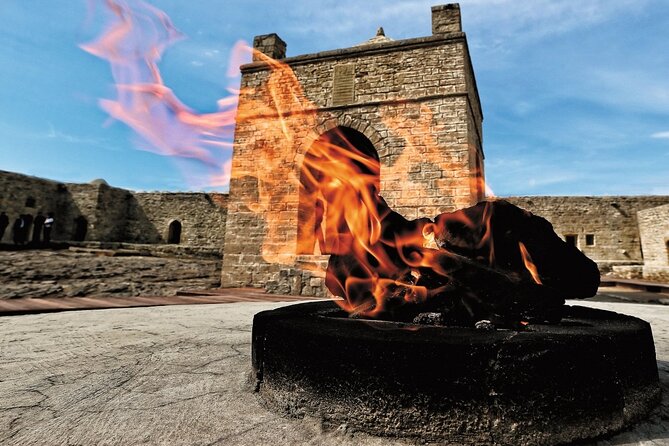
- Ateshgah Fire Temple and the old caravanserai
- Yanar Dag, the burning hill
- Guides can make or break the day
- Is $29 a good deal?
- Who should book this tour?
- Final call: book it with two checks
- FAQ
- How long does the Gobustan-Absheron Tour last?
- Where does the tour start and finish?
- What is included in the tour price?
- Are the entrance tickets included?
- Can I request a vegetarian lunch?
- How many people can join the tour?
Key points at a glance
- Mud volcanoes come first: Ride out to a strange, gray, bubbling terrain that looks unlike anything in central Baku.
- Gobustan pairs rock art with a museum: You get both the petroglyphs outdoors and background indoors before or after walking the site.
- Azerbaijan’s oil story begins on the road: The stop at the 1846 oil well adds useful context to the country’s modern wealth.
- Fire shapes the second half: Ateshgah explains sacred fire traditions, while Yanar Dag lets you watch natural flames rising from the ground.
- The $29 price is attractive: Transport and a guide make the base fare good value, but check the current cost of lunch and admission tickets.
- Expect a full day: The schedule suits first-time visitors who want the major Gobustan and Absheron sights in one outing.
Why this Baku day trip makes sense
Baku has enough to keep you occupied for several days, yet some of Azerbaijan’s most unusual sights lie beyond the center. Gobustan and the Absheron Peninsula are not places I would try to connect casually by public transport in one day. The distances, separate admission fees, and unfamiliar sites make a planned tour practical.
This outing gives you a broad introduction to the area in one sweep. You see mud volcanoes, prehistoric carvings, an early oil well, a Zoroastrian fire temple, and a natural fire site. Those stops do not all have the same level of visual impact, but together they explain why Azerbaijan is associated with both ancient cultures and petroleum.
The group limit of 18 is helpful. It is not a private tour by default, but it is small enough for a guide to answer questions and keep the day moving. In one reported case, only one party booked, and the outing operated as a private tour. You should treat that as a pleasant possibility, not a promise.
The meeting point is at 1 Azərbaycan Prospekti in central Baku, and the tour returns there at the end. The vehicle has air conditioning, an important comfort on a long day with outdoor stops. The published duration is about nine hours, although the wider estimate is nine to eleven hours, so do not schedule an evening flight or a fixed dinner too closely afterward.
More Gobustan and Absheron trips:
- Baku: Gobustan, Mud Volcano, Fire Mount, Temple Lunch Entry
★ 4.9 · 3,246 reviews - BEST Gobustan, Volcanoes & Absheron Fire Tour (Group or Private)
★ 5.0 · 1,254 reviews - Gobustan and Absheron tour (All inclusive)
★ 5.0 · 1,014 reviews
The first oil well and Azerbaijan’s petroleum story
The opening roadside stop lasts about 15 minutes and introduces a subject that shaped modern Azerbaijan: oil. The well shown here was drilled in 1846 and first produced oil on July 14, 1848. It is presented as the first oil well drilled in Azerbaijan and the world.
You will also pass Soviet-era pumpjacks that are still working. That detail helps connect the early well to the industrial machinery that followed. The stop is brief, so think of it as a useful orientation rather than a full museum visit.
I like this addition because it gives the rest of the day a stronger frame. Baku’s grand buildings and growing wealth make more sense after you see the source of much of its economic story. If you expect a major attraction with a long visit, adjust your expectations. This is a photo and explanation stop on the way to Gobustan.
Mud volcanoes on a gray, bubbling plain
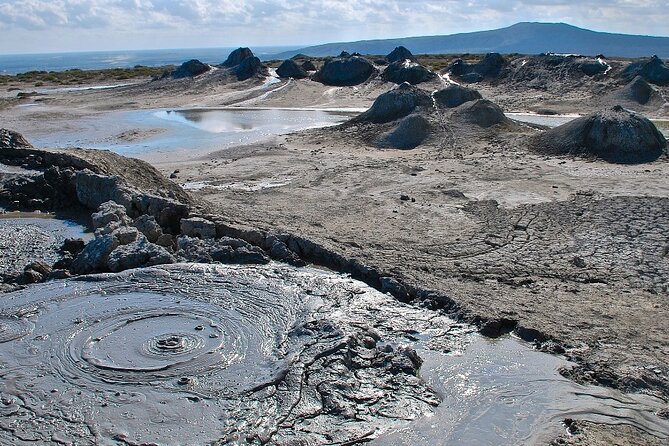
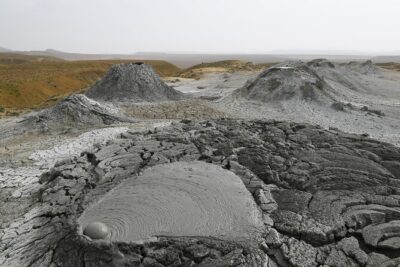
The mud volcanoes are likely to be the day’s most unusual natural sight. The terrain is described as lunar in appearance, with gray cones and mud bubbling or spraying across the area. Azerbaijan has long been an active mud volcano zone, and local beliefs once connected the place with jinn, or demons.
The visit lasts about an hour, including a short trail toward the volcanoes. That walk adds a little movement and gives you different angles across the bare terrain. The appeal is not polished scenery. It is the oddness of the place: quiet, raw ground interrupted by small signs of activity.
A useful practical detail is that an old four-wheel-drive vehicle may take you to the mud volcano area. One past account called this an enjoyable surprise. The supplied information does not guarantee the vehicle for every departure, so consider it a possible part of the outing rather than a fixed feature.
Wear shoes you do not mind getting dusty or muddy. The tour information does not specify the exact trail surface, and conditions can change, but this is clearly an outdoor stop rather than a paved museum visit. Keep your phone ready, since the shapes and bubbling mud make better pictures than the short stop at the oil well.
Gobustan’s petroglyphs and the story of early people
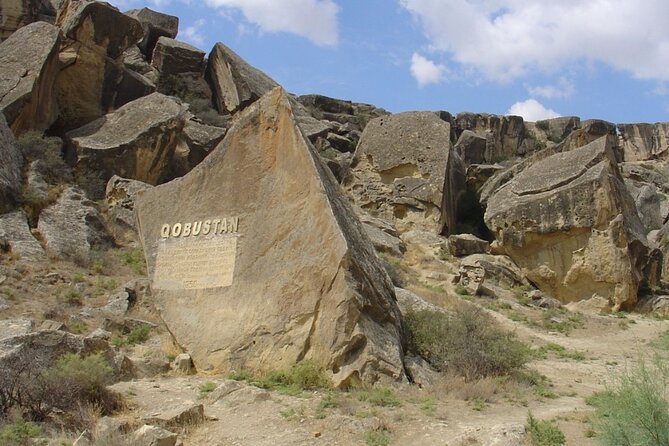
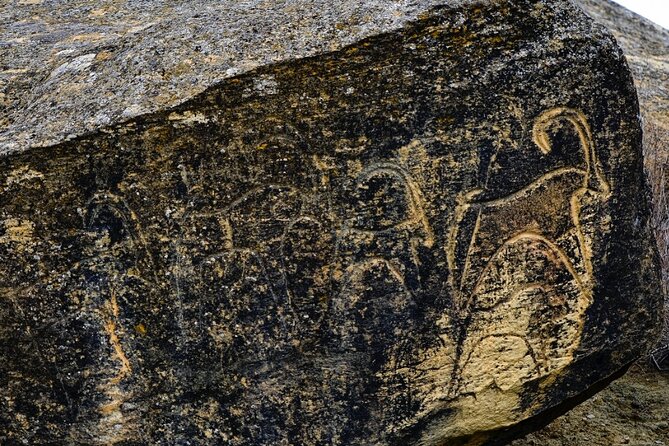
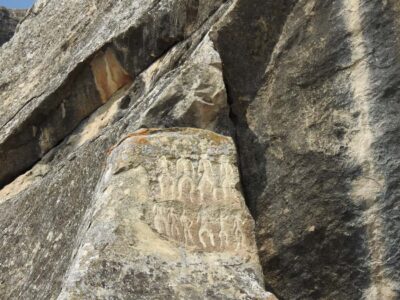
Gobustan is the historical heart of the day. Its rock carvings show prehistoric people hunting, dancing, working, and living in a difficult environment. The guide uses the carvings to explain survival skills, social order, daily life, and the development of Homo sapiens.
You should not expect a single dramatic monument. The power of Gobustan comes from scattered marks across stone and the thought that people left them thousands of years ago. A guide matters here because the carvings can be easy to miss or difficult to interpret on your own.
The outdoor rock-art visit lasts about an hour. You will walk trails and stop as the guide points out the petroglyphs. This part rewards curiosity more than speed. Ask questions if the group pace allows, especially about how the images were identified and what they suggest about everyday life.
The tour separates the rock art from the Gobustan cultural museum visit. That is a good arrangement in principle. First you encounter the actual site, then you get a more organized explanation of the people and objects connected with it. The information supplied lists admission to both the open-air museum and the natural history exhibition as extra, so confirm the current fee before booking.
A completely different kind of day out:
- Baku: Guba, Shahdag, Laza & Lunch w/ Free City & Night Tour
★ 4.8 · 1,455 reviews - Shamakhi And Gabala Tour (All inclusive)
★ 5.0 · 815 reviews - From Baku: Gabala and Shamakhi Tour (Free Baku City Tour)
★ 4.8 · 695 reviews - Baku: Candy Cane, Guba, Khinaliq village with Homemade Lunch
★ 4.9 · 519 reviews
The Gobustan museum adds needed context
The next Gobustan stop includes a modern museum and a cultural area associated with the prehistoric settlement. The museum helps you understand what the rock art cannot show by itself: tools, living conditions, social habits, and the wider setting of early human life.
I value this stop because petroglyphs can become a blur when you see several groups of carvings in one morning. A museum gives the guide a chance to organize the story and helps you notice details outdoors that might otherwise pass without meaning.
The description uses the term Cro-Magnon for the early inhabitants connected with the site. The important point for you is that Gobustan is more than a collection of pictures scratched into stone. It is evidence of people adapting to a hard environment over a long period.
Allow for some walking and time outdoors. The supplied details do not give a full accessibility description, though most participants can take part. If you have mobility concerns, ask the operator about the trail conditions before departure rather than assuming every section is easy.
Lunch in Baku and the tour’s biggest value question
After Gobustan, the group returns to Baku for a three-course meal and tea at Baku Restaurant, described as being in one of the city’s pleasant parks. The meal is intended to restore energy before the second half at Absheron.
A traditional Azerbaijani lunch is a real benefit on a day this long. You get a chance to sit down and try national dishes rather than spending the whole day on roadside snacks. One past account praised the meal, while another found the service slow. That matters because a delayed lunch can push the fire-temple and Yanar Dag visits later into the evening.
There is an important pricing inconsistency in the supplied information. The overview and several comments describe lunch as included, while the formal inclusion list says lunch is not included. At $29 per person, the tour looks like excellent value if lunch and most transport costs are covered, but you should confirm exactly what the current booking price includes. Do not assume the meal is free simply because a set menu was provided on some departures.
The same caution applies to entrance fees. Tickets for the open-air museum, Fire Temple, Yanar Dag, Natural History Exhibition, and Mud Volcanoes Complex are listed as extra. Add those costs to the advertised price when comparing this tour with other options.
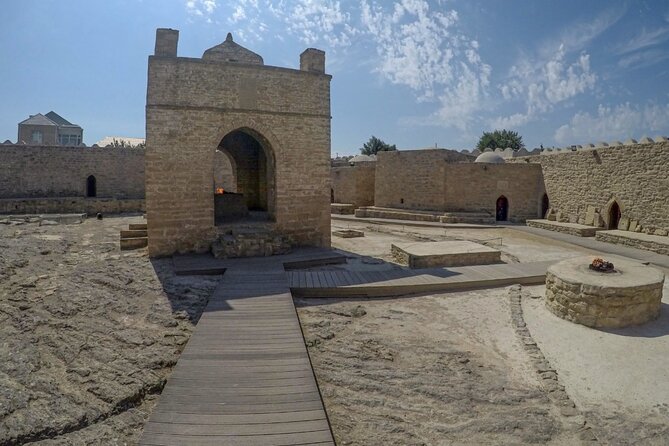
Ateshgah Fire Temple and the old caravanserai
The Ateshgah visit lasts about 30 minutes. The temple is tied to Azerbaijan’s long association with fire emerging from the ground. Persian Zoroastrians and Hindu Brahmanites are connected with the site, and the courtyard and surrounding rooms help explain how fire worship and travel overlapped here.
The complex also includes a caravanserai, where merchants could stop and rest. That detail gives the site a human scale. You are not only looking at a religious structure. You are also hearing about the commercial routes that crossed the Absheron Peninsula and the people who passed through them.
Half an hour is enough for a focused introduction, but it is not a leisurely archaeological visit. If you want to read every display or study each room, the schedule may feel tight. The guide’s explanation will do much of the work, so an effective guide can make this short stop worthwhile.
Admission is not included in the stated base price. Keep a little local currency or a payment method available, but the supplied information does not specify accepted payment types or the current ticket amount. Confirm those details with the operator.
Yanar Dag, the burning hill
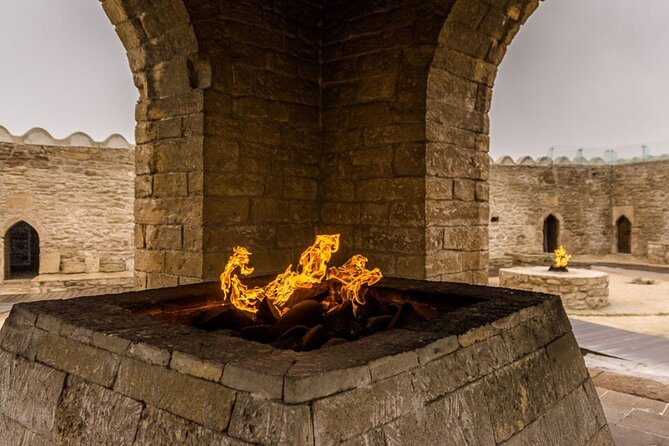
Yanar Dag, or Burning Mountain, is the day’s final major sight. Flames rise from the ground on the hillside, a natural effect linked to gas beneath the surface. The fire gives the stop an immediate visual punch after the more interpretive Gobustan visits.
The site is located near the top of the hill, where you can see the flames and look across the surrounding area. The visit is scheduled for about an hour, although the actual time at the fire may depend on the group and the day’s traffic.
Yanar Dag works well as a finale because you do not need a long explanation to understand why it caught people’s attention. It is direct and memorable. The larger story comes from placing it beside Ateshgah: one site shows how people built beliefs around fire, while the other lets you see the natural phenomenon itself.
Admission is also extra. Since the tour returns to central Baku afterward and may finish late, plan a simple evening rather than an ambitious night out. The official duration is about nine hours, but traffic and the number of hotel or group pickups can affect the finish.
Guides can make or break the day
The strongest praise centers on the guides and organization. Naz, also named as Nazpəri Həsənzadə, received credit for useful historical explanations and a friendly approach. Nazef was praised for connecting the past with the present and adjusting the amount of information to suit the group. Emir was described as helpful and well informed, while Mishfig received praise for guiding, driving coordination, and reliability.
Those names come from particular departures, so they do not guarantee who you will meet. The point is that the company has produced some very strong guiding experiences. At the same time, one account describes a guide who constantly hurried the group and spoke in a dull, stern way. That criticism is worth taking seriously because this is a long tour with many stops.
You can improve your experience by asking early about the day’s timing, lunch, and ticket costs. If you want more detail at Gobustan or Ateshgah, say so politely. If you prefer shorter explanations and more time for pictures, make that clear too. The best guides on this route appear to adjust well when the group communicates its preferences.
Is $29 a good deal?
At $29, the base price is appealing for a nine to eleven-hour outing with air-conditioned transport and a professional English or Russian guide. You would spend considerable time and money arranging the same sequence of distant sights independently.
The value becomes harder to judge once you add admission fees. Five separate entries are listed as not included, and lunch is described inconsistently. Before you pay, ask for the current total estimate, including the mud volcano area, Gobustan museums, Ateshgah, and Yanar Dag.
The price is best for a first visit when your goal is coverage rather than a slow, specialist look at one site. You get a strong overview of the region and its main themes: oil, fire, prehistoric life, trade, and unusual geology.
Who should book this tour?
I would recommend it to first-time visitors based in Baku who want to see the major Gobustan and Absheron sights in one day. It also suits people who prefer a guide to handle transport and explain sites that are difficult to interpret alone.
The tour is a good fit if you enjoy variety. No single stop occupies the entire day, and the contrast between bubbling mud, ancient carvings, a religious complex, and open flames keeps the schedule moving.
I would hesitate if you dislike long road days, want a relaxed pace, or need firm control over meal and admission costs. The day can also be less pleasant if your guide rushes the group, so the operator’s current guide assignment may be worth checking.
Free cancellation is available up to 24 hours before the start time for a full refund. Changes or cancellations made inside that window are not accepted for a refund.
Final call: book it with two checks
This is a strong-value introduction to the world beyond Baku, especially at the advertised $29 fare. I like the mix of sites, the small-group limit, the oil-well stop, and the chance to pair Gobustan’s prehistoric carvings with the fire traditions of Absheron.
I would book it after confirming two things: the exact admission total and whether lunch is included on your departure. If those costs are reasonable, this tour gives you an efficient, well-guided day with sights you would struggle to connect on your own. If you want a slower archaeological visit or dislike full-day schedules, choose a shorter, more focused outing instead.
FAQ
How long does the Gobustan-Absheron Tour last?
The tour lasts about nine hours, with the general estimate ranging from nine to eleven hours. It begins in the morning and returns to the central Baku meeting point later in the day.
Where does the tour start and finish?
The meeting point is at 1 Azərbaycan Prospekti, Bakı 1005, Azerbaijan. The activity ends back at the same meeting point.
What is included in the tour price?
Air-conditioned transportation and professional English or Russian guide services are included. The supplied details also list entrance tickets as extra, and the lunch information is inconsistent, so confirm that point before booking.
Are the entrance tickets included?
No. Tickets for the open-air museum, Fire Temple, Yanar Dag, Natural History Exhibition, and Mud Volcanoes Complex are listed as not included.
Can I request a vegetarian lunch?
Yes. A vegetarian option is available, but you need to advise the operator when booking.
How many people can join the tour?
The tour has a maximum of 18 participants. On some departures, the group may be smaller, and a departure with only one booking operated as a private tour.
Just added in Baku
- Wine Tour Baku★ 5.0 · 4 reviews
- Wine Tour Qabala with Local Lunch★ 5.0 · 10 reviews
- Traditional Azerbaijani Cuisine Workshop★ 5.0 · 5 reviews
- Wine Crawl Baku★ 5.0 · 2 reviews
- Baku City Guided Wine Tour (snacks included)★ 5.0 · 15 reviews
- Full Day KHINALUG and the Candy Mountains Tour★ 5.0 · 15 reviews
- Tour to the North part of Azerbaijan Forests and Mountatin Quba★ 5.0 · 10 reviews
- The Magnificent Baku Night Tour★ 5.0 · 3 reviews
Gobustan and Absheron Tours, compared.
Gobustan, Mud Volcano, Fire Mount, Temple Lunch Entry
Read our review →
BEST Gobustan, Volcanoes & Absheron Fire Tour (Group or Private)
Read our review →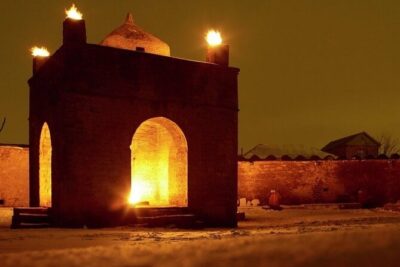
Gobustan, Volcanoes, Fire Temple and Yanardag Day Trip
Read our review →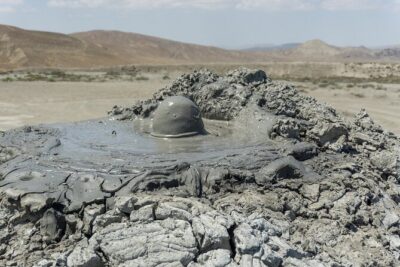
Gobustan & Mud, Fire Temple, Burning Mountain (Group & Private)
Read our review →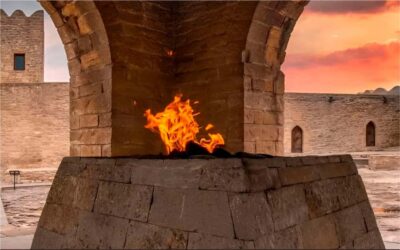
Mud Volcan-Fire Temple and Mountain Tour/Entrance inc
Read our review →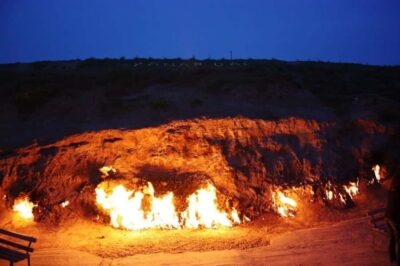
Gobustan Mud Volcanoes Temple & Entry tickets included
Read our review →Other Azerbaijan lists this tour is on