
REVIEW · GOBUSTAN AND ABSHERON TOURS
From Baku: Gobustan Day Tour
Ancient art meets bubbling earth here. This four-hour private trip from Baku gives you two very different sights: Gobustan’s Mesolithic rock carvings and the active mud volcanoes of Dashgil. I especially like the chance to see hunting scenes, ritual dances, boats, and later Roman evidence in one outing. The air-conditioned sedan, hotel pickup, bottled water, and private guide also make the trip easy to manage.
The main drawback is that the $58 price does not include entrance fees or food. The mud volcano stop can also be delayed in bad weather, and the rough, rocky areas are not suitable for wheelchair users or people with back, heart, or serious mobility problems. Still, guides such as Habil and Shbil have earned praise for clear explanations, kind service, and careful timing.
In This Review
- Key points to know before you go
- Why Gobustan makes a strong half-day from Baku
- Leaving Baku in a private car
- Reading 20,000 years of life in stone
- The Mount Boyuk-dash Roman clue
- What the 3D Bio Museum adds
- The mud volcanoes at Dashgil
- Is $58 good value?
- Who will enjoy this tour most?
- Timing, weather, and small practical details
- Should you book the Gobustan tour?
- FAQ
- How long does the Gobustan tour take?
- Is hotel pickup included?
- Is the tour private?
- What is included in the price?
- Are entrance fees included?
- What should I bring?
- Can the tour run in bad weather?
Key points to know before you go
- More than 6,000 petroglyphs show hunting, work, ritual, boats, and daily life across different periods.
- The 3D Bio Museum adds context before or after you walk among the rocks, with 12 exhibition rooms and a 3D cinema.
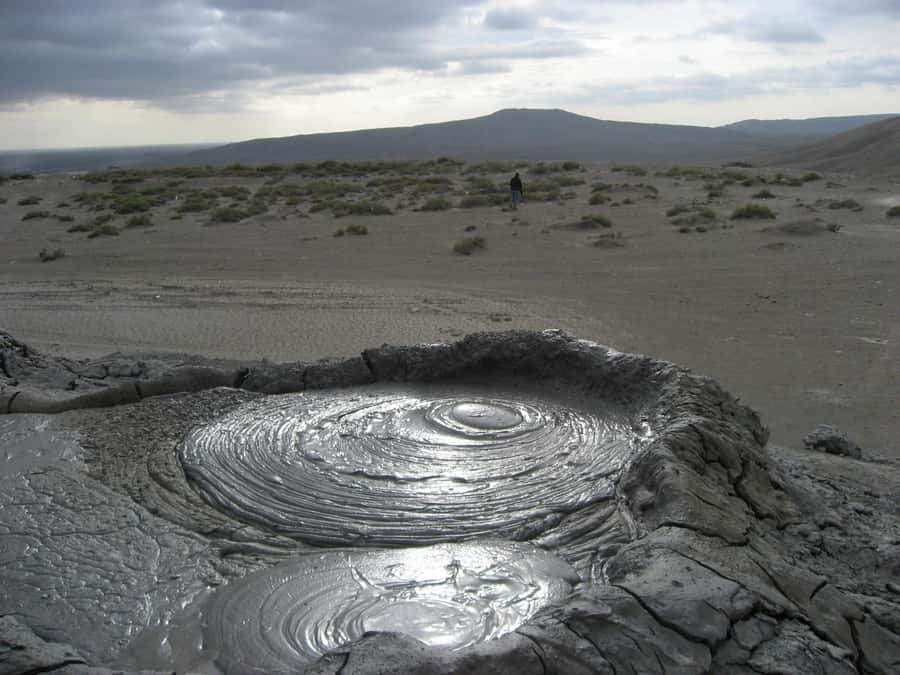
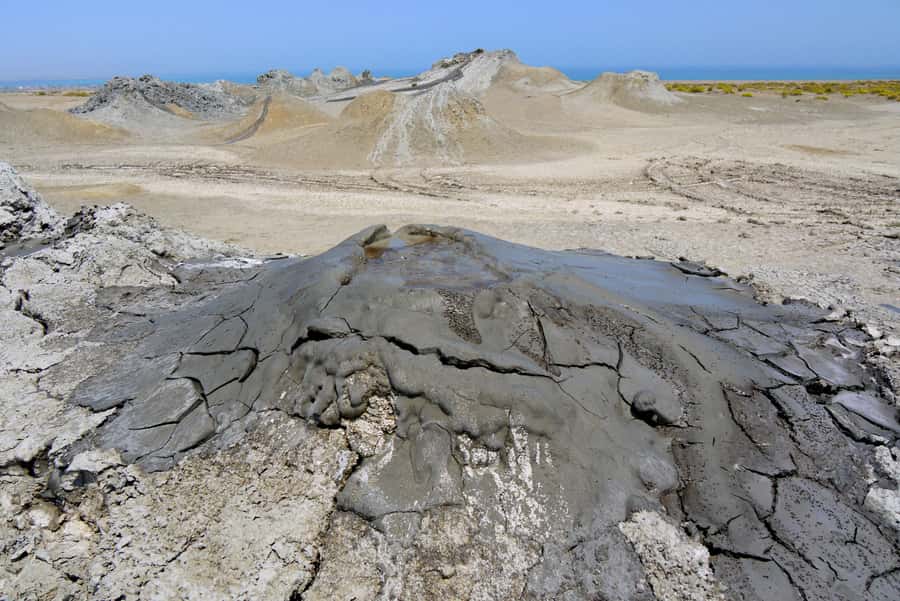
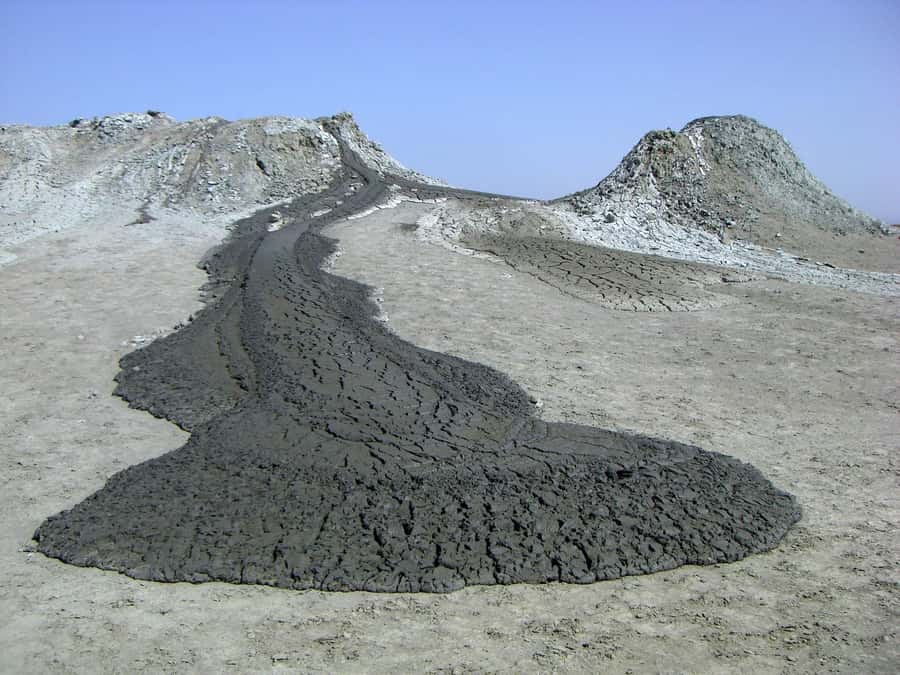
- Dashgil’s mud volcanoes are the geological surprise, with bubbling cones and thick gray mud instead of the usual mountain scenery.
- The Roman inscription at Mount Boyuk-dash links this remote site to Roman legions near Baku.
- A private four-hour format gives you direct access to an English-speaking guide rather than a large coach group.
- Comfortable shoes matter, and large bags are not allowed on the trip.
Why Gobustan makes a strong half-day from Baku
Gobustan lies roughly 50 to 60 kilometers from Baku, far enough to feel like a real change of scene but close enough for a manageable outing. You leave the city behind and reach a dry, broken world of ravines, rock faces, and open ground.
The name Gobustan comes from an Azerbaijani expression connected with narrow places and ravines. Once you see the jagged rock formations, the name makes sense. The stone is cut by fissures and gullies, creating natural shelters and viewing points that helped ancient people live here.
I like this trip because it is not simply a museum visit. You first deal with evidence from human life, then with an unusual geological sight. The contrast is useful: Gobustan shows how people adapted to this place, while the volcanoes remind you that the ground itself is still active.
The tour lasts about four hours, so you should think of it as a focused half-day excursion rather than a slow, full-day expedition. That is good news if you have limited time in Baku. It also means the pace may feel brisk if you want long walks, detailed archaeological study, or extra time at every display.
More Gobustan and Absheron trips:
- Baku: Gobustan, Mud Volcano, Fire Mount, Temple Lunch Entry
★ 4.9 · 3,246 reviews - BEST Gobustan, Volcanoes & Absheron Fire Tour (Group or Private)
★ 5.0 · 1,254 reviews - Gobustan and Absheron tour (All inclusive)
★ 5.0 · 1,014 reviews
Leaving Baku in a private car
Pickup is available from hotels and apartments in Baku. You are asked to wait in the lobby 10 minutes before the scheduled time, with the driver holding a sign showing your last name. The driver waits no more than five minutes after pickup time, so do not treat the meeting time as approximate.
Transport is by comfortable sedan, with an English-speaking guide and water included. The private format is one of the strongest parts of the experience. You can ask about a particular carving, request clarification, or spend a little more time at a stop without trying to hear a guide over a full bus.
Previous guests especially praised Habil for his explanations of Azerbaijani culture and history, his friendly manner, and his helpful approach. Shbil was also singled out for explaining the sights well. The names matter because a guide can shape this outing: the stones themselves are impressive, but the meaning of the images is much easier to grasp with a good interpreter.
The vehicle is air-conditioned, which is useful during hot months. You should still wear comfortable shoes. Gobustan is not a polished city attraction with smooth floors throughout, and the rock areas call for sensible footwear.
Reading 20,000 years of life in stone
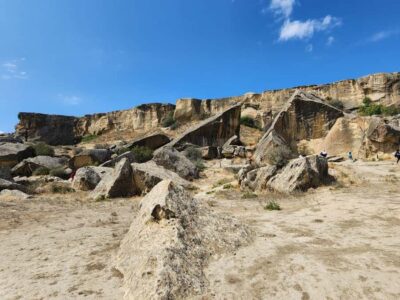
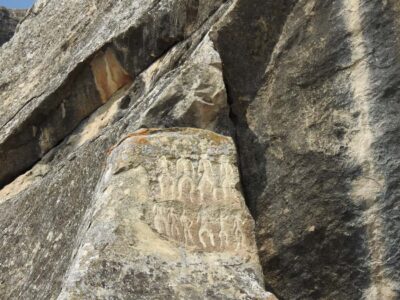
Gobustan’s rock art is the heart of the trip. The site contains more than 6,000 paintings and petroglyphs, along with ancient dwellings and more than 100,000 artifacts connected with the area.
The archaeological site was first identified in the 1930s and continues to be excavated. That ongoing work gives the place a sense of discovery. You are not looking at a finished display that tells every story with certainty. You are seeing a large body of evidence that researchers continue to study.
The oldest drawings date back about 20,000 years, while the newest examples reach the first century AD. That span is important. Gobustan is not one frozen moment from prehistory. It shows changing lives, tools, activities, and symbols over a very long period.
Look closely at the subjects shown in the carvings. Earlier scenes include mountain goat hunts and ritual dancing with spears. Later images show battle scenes, collective labor, harvesting, and women working by the hearth.
These pictures help you think about people as communities, not just isolated hunters. Hunting required planning. Farming and harvesting point to organized work. Images of women by the hearth bring the ordinary side of ancient life into view, far from the grand monuments usually associated with archaeology.
The carvings of boats with oarsmen are especially striking. They suggest that people living here had sailing skills and connections with the water. That detail broadens the picture of prehistoric Gobustan. These were not simply people sheltering among rocks. They also understood movement, boats, and life beyond the immediate ravines.
Your guide can help separate the oldest images from later additions. Without explanation, the carvings may look like one large collection of similar marks. With context, you begin to notice changes in subject and style.
The Mount Boyuk-dash Roman clue
One of Gobustan’s most unusual details is a Latin inscription found at the foot of Mount Boyuk-dash. It points to the presence of Roman legions near Baku.
This small piece of writing changes the mood of the visit. Much of Gobustan speaks through pictures made by prehistoric communities. The inscription belongs to a later world of organized armies and imperial movement. It reminds you that this area remained important long after the earliest rock artists had gone.
The Roman evidence also makes Gobustan more than a site of local interest. The carvings are rooted in the lives of people who lived in this region, but the inscription connects the area to a much wider story. Ask your guide to explain the Roman presence if that is a subject that interests you.
A completely different kind of day out:
- Baku: Guba, Shahdag, Laza & Lunch w/ Free City & Night Tour
★ 4.8 · 1,455 reviews - Shamakhi And Gabala Tour (All inclusive)
★ 5.0 · 815 reviews - From Baku: Gabala and Shamakhi Tour (Free Baku City Tour)
★ 4.8 · 695 reviews - Baku: Candy Cane, Guba, Khinaliq village with Homemade Lunch
★ 4.9 · 519 reviews
What the 3D Bio Museum adds
Before or after the outdoor visit, you go to the Gobustan 3D Bio Museum. This is a useful stop because the rock art can be hard to understand when you first see it scattered across stone surfaces.
The museum has a permanent exhibition spread across 12 rooms. It explains the importance of the Gobustan petroglyphs and places the site alongside similar archaeological locations around the world.
The 3D cinema gives the visit a more visual, educational layer. It is particularly helpful if you prefer a clear introduction before heading outside. The museum also offers a break from the exposed rock area, which can be welcome in strong sun or poor weather.
I would not treat the museum as a replacement for the outdoor site. The displays provide background, but the real power of Gobustan comes from seeing the carvings where people made them. The best approach is to use the museum to get your bearings, then let the rocks supply the sense of place.
The mud volcanoes at Dashgil
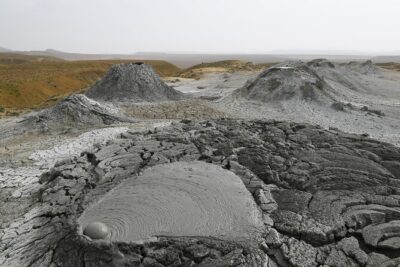
After the petroglyphs and museum, the trip turns from human archaeology to geology. Azerbaijan has about 350 of the world’s roughly 800 mud volcanoes, giving the country an unusually high concentration of these formations.
The Dashgil Group, east of the Gobustan museum, contains a number of active mud volcanoes. You may see small cones, gray mud, and signs of bubbling activity. They are not ordinary volcanoes with flowing lava. Their strange, low forms and wet mud make them feel more like an experiment in slow motion.
This part of the outing is visually different from the rock museum, which is exactly why it works. You have spent time reading marks made by human hands, then you watch the earth produce its own shapes.
Conditions can vary. Bad weather may delay the mud volcano portion, and the tour operates rain or shine. If the ground is wet, the area may feel less convenient to walk through, so shoes you do not mind getting dirty are sensible, though the stated requirement is simply comfortable footwear.
One past guest had the guide arrange a mud bath at a volcano, but you should not assume that this is a standard part of every departure. Treat it as a possible extra only if the guide and local conditions allow it. The regular experience is seeing the mud volcanoes, not a guaranteed bathing session.
Is $58 good value?
At $58 per person, the tour offers solid value if you want a private outing with transport from Baku. You receive hotel pickup and return, a private group, an English-speaking guide, a sedan, and water. You also avoid having to arrange transport to two sites outside the city.
The price needs a careful look because entrance fees and food are not included. Your final cost will be higher than the advertised amount once admission is added. Since the tour lasts four hours, it is best compared with other private half-day trips rather than with a full-day package that includes meals and tickets.
The value comes mainly from convenience and interpretation. Gobustan is not difficult to appreciate visually, but understanding the age of the carvings, the differences between periods, the boats, and the Roman inscription is much easier with a guide.
A private car is also more comfortable than trying to coordinate separate transport. You can keep your day in Baku intact, add this outing around other plans, and return without spending hours on transfers.
Who will enjoy this tour most?
I would choose this excursion if you want a compact introduction to Azerbaijan beyond central Baku. It suits anyone interested in archaeology, ancient art, geology, or the less polished side of the country.
It is also a good choice for couples, families with older children, and small private groups who value personal attention. The four-hour length leaves room for other plans, and the private format lets you ask questions at your own pace.
You may want a different option if you need wheelchair access, have significant back or heart problems, or are pregnant. The experience is not suitable for wheelchair users, and the outdoor sites may involve uneven ground and walking among rock formations.
People who dislike exposed outdoor conditions should also think carefully. The tour runs in rain or shine, and the mud volcano stop may be postponed during bad weather. Bring comfortable shoes, avoid large bags, and expect a practical field visit rather than a polished resort-style attraction.
Timing, weather, and small practical details
The tour runs for four hours, but you should check the available starting times when booking. Pickup is included from Baku hotels and apartments, which removes one of the usual headaches of visiting sites outside the city.
Food is not included, so plan around the short duration rather than expecting a provided meal. Water is included, but bringing only what you need is wise because luggage and large bags are not allowed.
The cancellation terms are flexible: you can cancel up to 24 hours in advance for a full refund, and you can reserve now and pay later. That helps if your Baku schedule is still changing.
The overall rating is five out of five from seven recorded bookings, with repeated praise for guide service, punctuality, vehicle comfort, and cultural explanations. Habil received particularly warm comments for his history knowledge, generosity, and helpful attitude. That consistency makes the guide element a real reason to consider this option.
Should you book the Gobustan tour?
Book it if you want to see two of the most distinctive sights outside Baku in a single, well-organized half-day. The petroglyphs offer real historical depth, while the mud volcanoes provide an odd and memorable change of pace.
The strongest case is for visitors who prefer a private car, clear English guidance, and enough time to ask questions. You get more than a drive to a photo stop: the tour connects prehistoric hunting, ritual, work, sailing, Roman military movement, and modern geology.
Think twice if you need full accessibility, guaranteed mud bathing, included admission, or a slow all-day schedule. For most able-bodied visitors with limited time, though, the combination of Gobustan’s carvings and Dashgil’s active mud cones makes this a worthwhile addition to a Baku stay.
FAQ
How long does the Gobustan tour take?
The tour lasts four hours. Check availability for the starting times offered on your chosen date.
Is hotel pickup included?
Yes. Pickup and drop-off are available from hotels and apartments located in Baku.
Is the tour private?
Yes. It is offered as a private group experience with an English-speaking live guide.
What is included in the price?
Hotel pickup and drop-off, a professional guide, a comfortable sedan, and water are included.
Are entrance fees included?
No. Entrance fees are not included in the $58 price. Food and personal expenses are also separate.
What should I bring?
Bring comfortable shoes. Large bags and luggage are not allowed.
Can the tour run in bad weather?
The tour operates rain or shine, but the mud volcano portion may be delayed during bad weather.
Just added in Baku
- Wine Tour Baku★ 5.0 · 4 reviews
- Wine Tour Qabala with Local Lunch★ 5.0 · 10 reviews
- Traditional Azerbaijani Cuisine Workshop★ 5.0 · 5 reviews
- Wine Crawl Baku★ 5.0 · 2 reviews
- Baku City Guided Wine Tour (snacks included)★ 5.0 · 15 reviews
- Full Day KHINALUG and the Candy Mountains Tour★ 5.0 · 15 reviews
- Tour to the North part of Azerbaijan Forests and Mountatin Quba★ 5.0 · 10 reviews
- Baku Sightseing Tour★ 5.0 · 12 reviews
Gobustan and Absheron Tours, compared.
Gobustan, Mud Volcano, Fire Mount, Temple Lunch Entry
Read our review →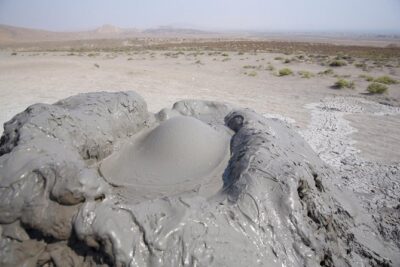
BEST Gobustan, Volcanoes & Absheron Fire Tour (Group or Private)
Read our review →
Gobustan, Volcanoes, Fire Temple and Yanardag Day Trip
Read our review →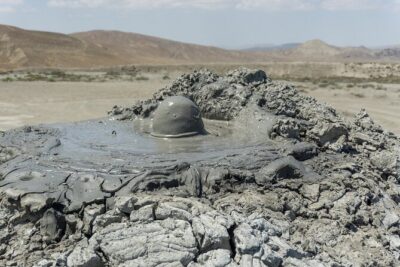
Gobustan & Mud, Fire Temple, Burning Mountain (Group & Private)
Read our review →
Mud Volcan-Fire Temple and Mountain Tour/Entrance inc
Read our review →
Gobustan Mud Volcanoes Temple & Entry tickets included
Read our review →Other Azerbaijan lists this tour is on