
REVIEW · GOBUSTAN AND ABSHERON TOURS
Baku: Gobustan & Absheron Trip
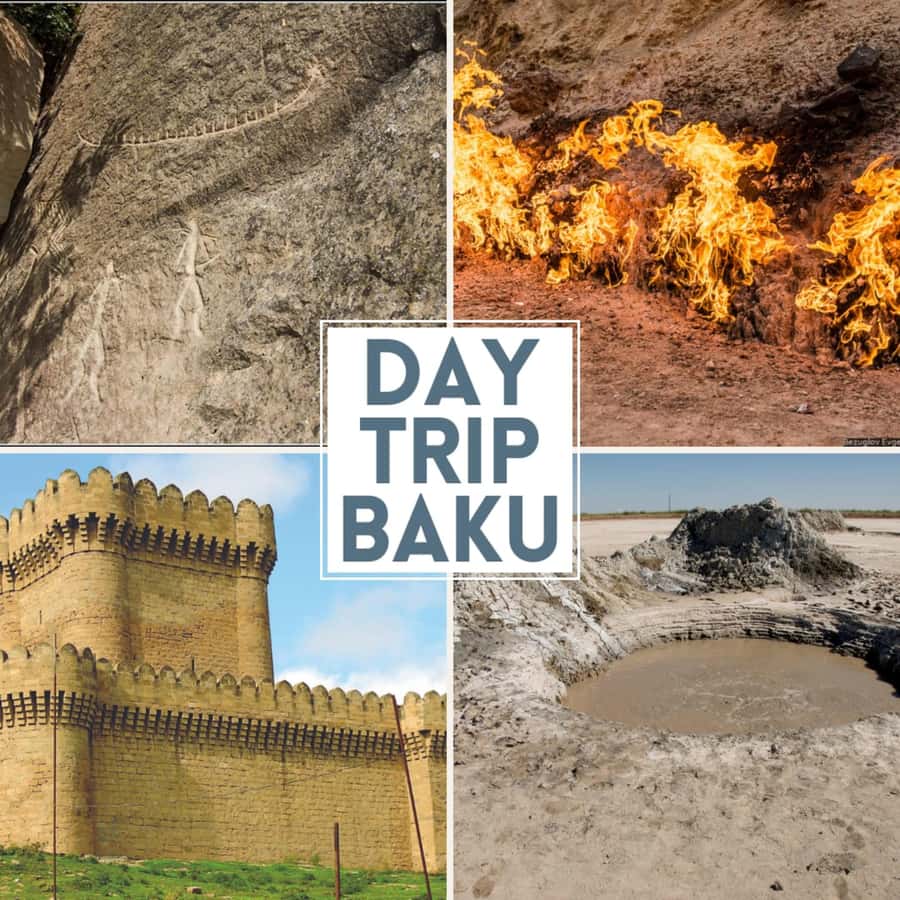
Fire, mud, and ancient rock art await. This nine-hour outing gives you a striking look beyond Baku, from the Qobustan rock pictures and bubbling mud volcanoes to Yanardag’s natural flames and the Ateshgah Fire Temple. I like the wide mix of culture and nature, and I also like that pickup from central Baku hotels is included. The main caution is pace: one unhappy guest reported a chaotic bus change, rushed museum visits, a very late lunch, and unsafe phone use by the driver.
The tour costs $30 per person, which looks good at first. Yet the three main entrance charges add up to 40 AZN, and lunch is extra, so you should budget beyond the headline price. The strongest praise goes to the guides, especially Sabuhi, who was described as entertaining, polite, and well-informed. Still, the schedule is long and tightly packed, so this suits you best if you want to cover many major sights in one day rather than linger at each one.
In This Review
- Five things to know before you go
- Starting at Bibi-Heybat Mosque
- Reading the ancient carvings at Qobustan
- Crossing the rough ground to the mud volcanoes
- The long middle stretch and lunch break
- Feeling the heat at Yanardag
- Absheron’s medieval defensive character
- Understanding the Ateshgah Fire Temple
- What the $30 price really buys you
- Guides, transport, and the pace of the day
- Who should book this outing?
- Practical tips for a smoother day
- Should you book Gobustan and Absheron?
- FAQ
- How long does the Gobustan and Absheron tour last?
- What is the price of the tour?
- Which entrance fees must I pay separately?
- Is lunch included?
- Where does pickup take place?
- Which languages are available?
- Where does the tour finish?
- What should I bring?
Five things to know before you go
- Qobustan combines rock art and early human life: You see caves, carvings, old cooking areas, and traces of primitive settlement.
- Azerbaijan has roughly 40 percent of the world’s mud volcanoes: About 354 of the estimated 800 worldwide are in Azerbaijan.
- The fire sites connect several faiths: Ateshgah brings together fire worship, Zoroastrian ideas, and Hindu traditions.
- The $30 price does not cover key admission fees: Qobustan Museum, the Mud Volcanoes Tourism Complex, Fire Temple, and Burning Mountain all cost extra.
- The day ends at Baku’s Double Gates: Pickup is available in central Baku, while the formal finish is at Qoşa Qala Qapısı.
- Expect a full day on the road: The route includes bus rides, a 20-minute vintage-car transfer, short visits, and a one-hour meal break.
Starting at Bibi-Heybat Mosque
The day begins with pickup in Baku, normally around the Double Gates of the Old City. Hotel pickup is also offered within roughly a 6 to 7 kilometer radius of central Baku, including hotels outside the Old City or along Nizami Street. Confirm your exact pickup point, since this is a group tour and the first transfer matters.
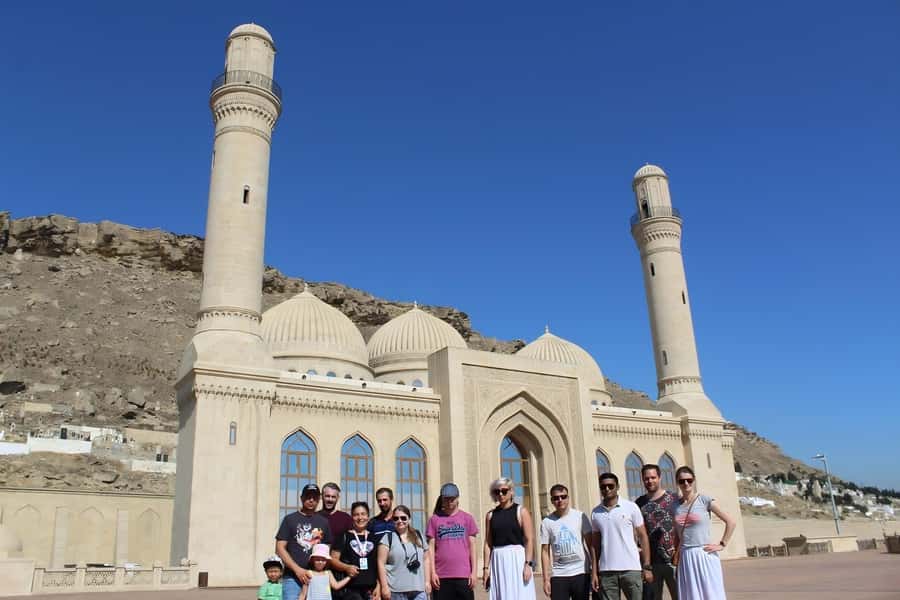
Bibi-Heybat Mosque comes early, after a short 10-minute ride. You have about 20 minutes for a guided visit and photos. The mosque is presented as one of Azerbaijan’s important Islamic sites, with the tomb of relatives of the Prophet Muhammad. That gives the day an early religious and cultural focus before the route turns toward prehistoric carvings and natural fire.
The stop is short, so you should not expect a long architectural study. Dress respectfully, and bring the requested headscarf if you need one for entry. Comfortable clothing is wise throughout the day, since later stops include walking over uneven ground.
More Gobustan and Absheron trips:
- Baku: Gobustan, Mud Volcano, Fire Mount, Temple Lunch Entry
★ 4.9 · 3,246 reviews - BEST Gobustan, Volcanoes & Absheron Fire Tour (Group or Private)
★ 5.0 · 1,254 reviews - Gobustan and Absheron tour (All inclusive)
★ 5.0 · 1,014 reviews
Reading the ancient carvings at Qobustan
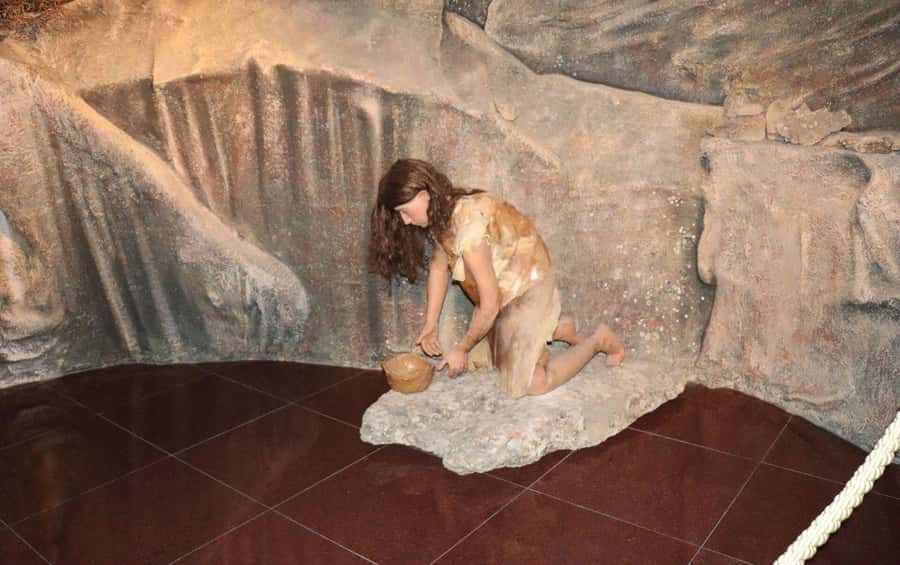
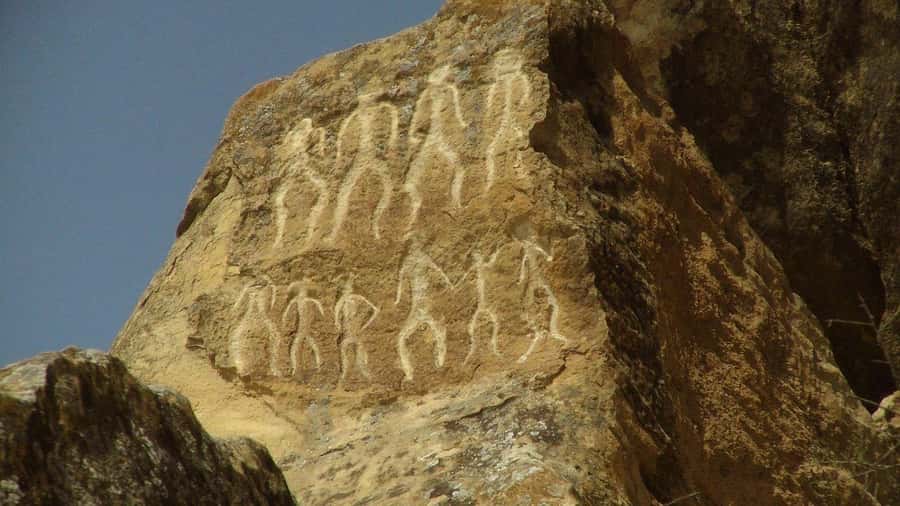
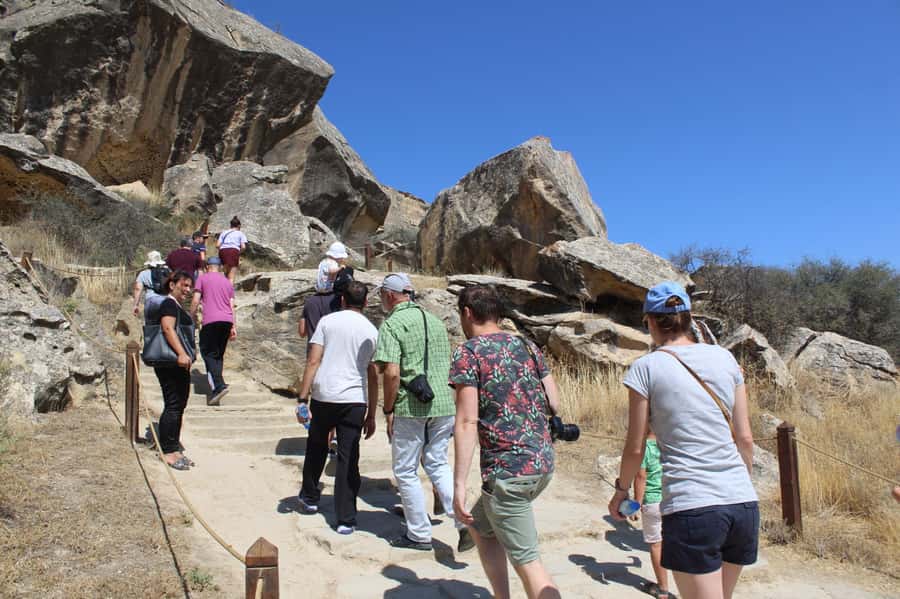
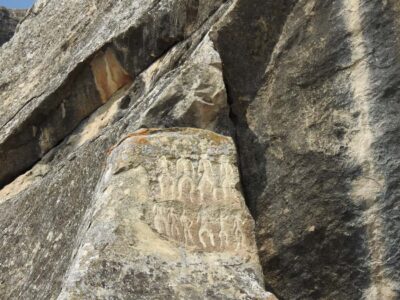
After about 50 minutes by bus, you reach Qobustan. This is one of the day’s most meaningful stops because the site links scenery with evidence of early human life. The reserve has UNESCO protection, awarded in 2007, and the visit includes rock paintings, caves, old cooking areas, and views across the surrounding terrain.
You get about 80 minutes here for a guided visit, a walk, photographs, and some free time. That sounds generous, but the stop contains several different elements. If you want to study every panel or read every museum display, you may feel pressed.
The Qobustan Museum admission is not included and costs 10 AZN. The museum adds useful context to the outdoor carvings, especially if you want to understand how the images fit into daily life rather than simply photograph them. Bring comfortable shoes, and consider carrying a small flashlight because one is listed among the recommended items. The supplied information does not promise that every cave will be dark, but a light can help you feel prepared.
I would pay close attention to the guide here. Rock carvings can look simple at first glance, but their value comes from interpretation. A good explanation helps you connect the animals, human figures, tools, and cooking evidence with the people who lived in this area long ago.
Crossing the rough ground to the mud volcanoes
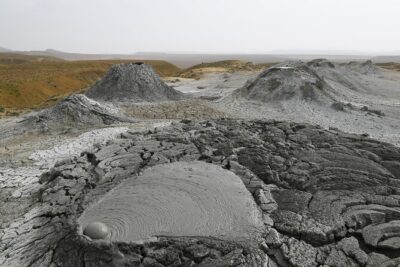
The trip then shifts from archaeology to geology. A vintage car carries you for about 20 minutes toward the mud volcanoes, followed by roughly 20 minutes of photos and free time.
Azerbaijan has around 354 of the world’s approximately 800 mud volcanoes. That is about 40 percent of the global total, a remarkable concentration for one country. These formations are not the red-hot lava cones many people imagine. Instead, they push cool or muddy material from underground, creating an odd, raw scene.
The mud is described as useful for skin, joints, and bones, but you should treat this as part of the tour’s local explanation rather than medical advice. There is no indication that this stop includes a formal treatment or permission to apply mud to yourself.
The Mud Volcanoes Tourism Complex charges 15 AZN, not included in the tour price. Your time here is brief, so this is more of a striking photo and geology stop than a long nature walk. The road transfer in a vintage car adds character, though the route may feel less polished than the main coach sections. Wear shoes you do not mind using on rough or dirty ground.
The long middle stretch and lunch break
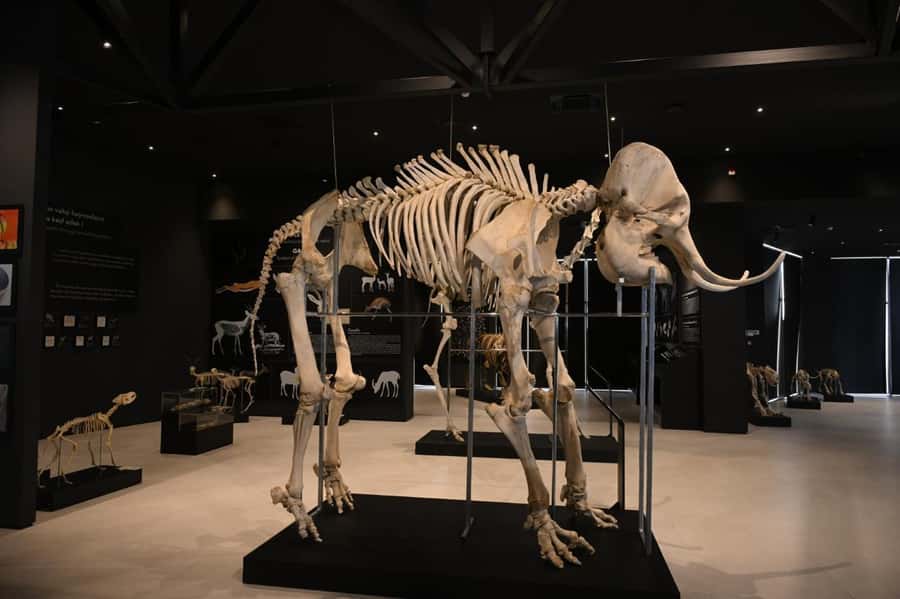
After the mud volcanoes, the bus ride is listed at about 80 minutes. A one-hour lunch break follows at a local restaurant, with food paid for directly according to the menu. You can also choose fast food, so you are not locked into a formal meal.
This is the point where the day’s organization matters most. One serious complaint described lunch arriving as late as 3:30 p.m. and taking more than an hour to arrive. That may not happen on every departure, but the warning is useful: eat breakfast, carry a snack, and do not rely on lunch happening at a normal midday hour.
The coach schedule is demanding, with several transfers and short sightseeing windows. A positive account described the route as comfortable and well organized, while another reported a 75-minute delay simply getting onto the correct bus. Those two experiences point to the main uncertainty of a large group outing: the quality of the day can depend heavily on the guide, vehicle changes, and traffic.
The supplied information says smoking is not allowed in the vehicle, and speakers, alcohol, drugs, strong fragrances, and non-folding strollers are also prohibited. Smoking in indoor areas is forbidden as well. These rules make sense on a long shared ride.
A completely different kind of day out:
- Baku: Guba, Shahdag, Laza & Lunch w/ Free City & Night Tour
★ 4.8 · 1,455 reviews - Shamakhi And Gabala Tour (All inclusive)
★ 5.0 · 815 reviews - From Baku: Gabala and Shamakhi Tour (Free Baku City Tour)
★ 4.8 · 695 reviews - Baku: Candy Cane, Guba, Khinaliq village with Homemade Lunch
★ 4.9 · 519 reviews
Feeling the heat at Yanardag
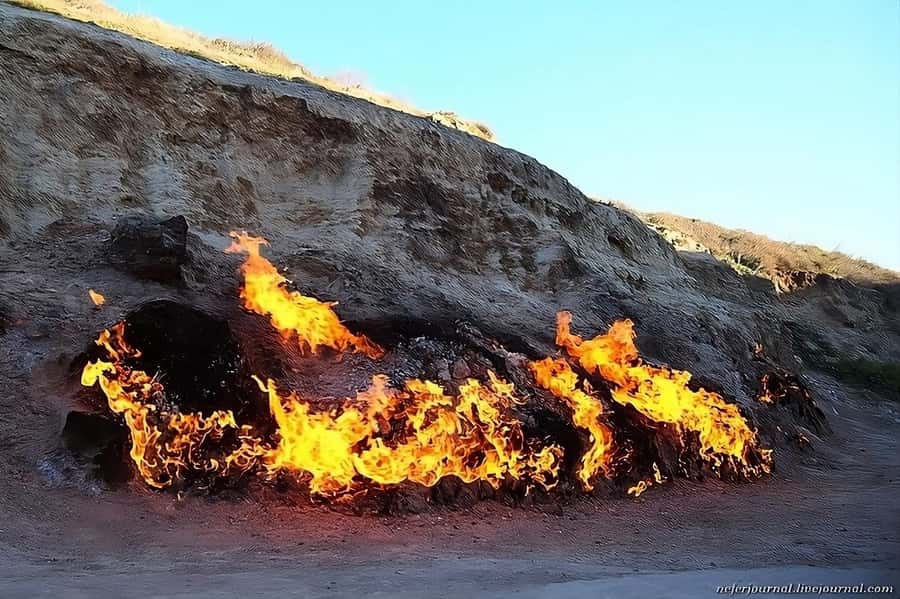
After lunch, you drive for about 30 minutes to Yanardag, or Burning Mountain. You have roughly 25 minutes for a guided visit, photos, a walk, and free time.
This is one of Absheron’s best-known natural phenomena. Gas escaping from underground keeps flames burning on the hillside, which explains the name Fire Mountain. The tour description connects these eternal lights with references from the annals of Attila, the Great Hun Emperor, Marco Polo, and other historical writers. Scientists date the holy hearth to roughly 4,000 to 5,000 years old.
The stop is short, so expect to see the flames and hear their story rather than spend a long time examining the site. The entrance fee for Burning Mountain is included in a combined extra charge of 15 AZN with the Fire Temple, according to the supplied pricing information. Check the exact ticket arrangement at booking or arrival, since the listed wording groups the two attractions together.
Yanardag is especially effective after Qobustan and the mud volcanoes. You have moved from human-made marks on stone, to mud rising from underground, to gas burning in open air. The day begins to feel like a lesson in why fire became so important to people living on the Absheron Peninsula.
Absheron’s medieval defensive character
The next bus ride takes about 30 minutes, followed by a 20-minute guided stop on the Absheron Peninsula. The description refers to a medieval castle that has kept its original strength and appearance. The exact site name is not supplied, so you should think of this as the fortification portion of the route rather than expect a detailed castle itinerary.
The appeal here is different from Qobustan. Instead of prehistoric life and natural forces, you get a look at medieval power and defense. The short visit allows photographs and a quick walk, but it is not enough for a slow architectural tour.
If castles are your main interest, you may wish this stop lasted longer. If your goal is to sample the peninsula’s main themes in one day, it works as a compact bridge between Yanardag and Ateshgah.
Understanding the Ateshgah Fire Temple
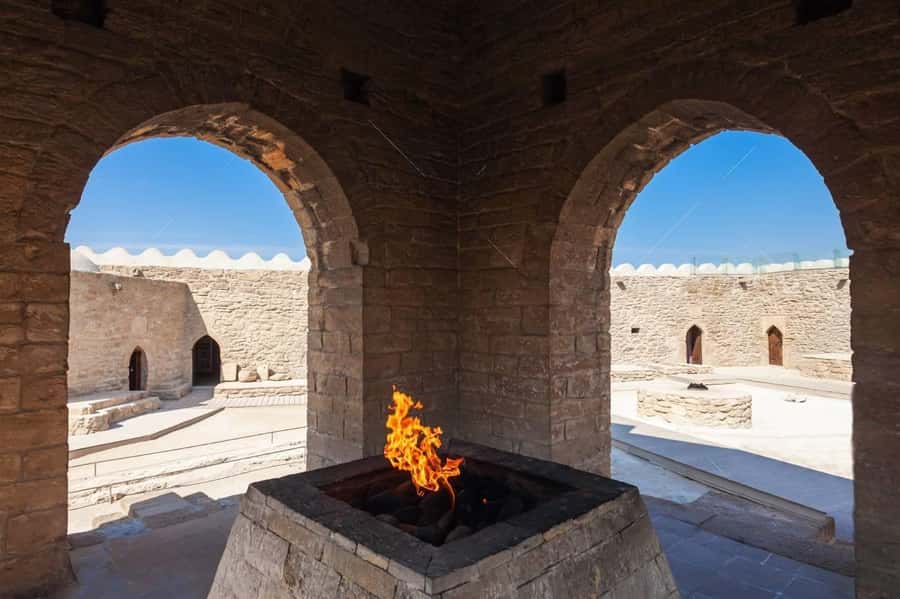
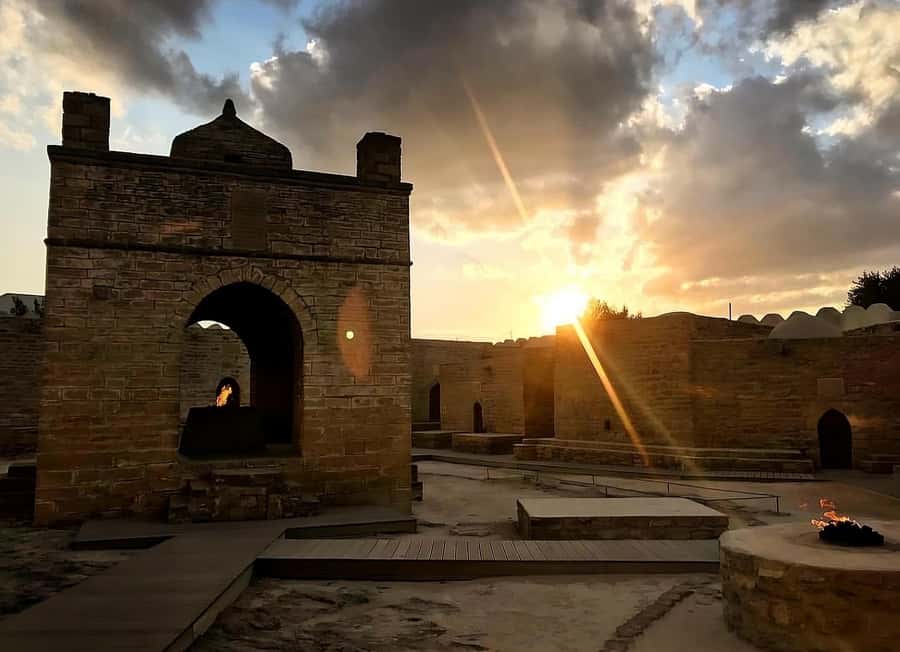
The final major stop is Ateshgah of Baku, reached after about 10 minutes. You have 50 minutes for a guided visit, photographs, free time, and walking. This is probably the most layered cultural stop of the day.
Ateshgah is described as a meeting point for fire worship, Zoroastrianism, and Hindu traditions. The shared idea is reverence for fire, but the three traditions are not identical. A clear guide should help you understand those links without reducing them to one simple belief system.
The temple also ties the tour to the older religious life of Absheron, before Islam became dominant in the region. Fire was considered sacred, and the ancient respect for it remains connected to Novruz, a religious celebration that developed into a national holiday and is still observed.
The entrance fee is not included. The listed combined admission for Fire Temple and Burning Mountain is 15 AZN. At 50 minutes, Ateshgah receives more time than most other stops, which is helpful because the site needs explanation. Without a guide, the courtyard, cells, and central fire area can be visually appealing but harder to place in context.
The day finishes at Qoşa Qala Qapısı, the Double Gates of Baku. This is convenient if you are staying near the Old City and want to walk back to your hotel or continue exploring on foot.
What the $30 price really buys you
At $30, the tour offers a lot of transport and sightseeing for one day. You get central pickup, a professional guide, coach travel, the vintage-car transfer, and a route covering religious sites, archaeology, geology, fire, and medieval remains.
The extra costs change the calculation. You must pay separately for:
- Qobustan Museum: 10 AZN
- Mud Volcanoes Tourism Complex: 15 AZN
- Fire Temple and Burning Mountain: 15 AZN
- Lunch, based on your order
That adds 40 AZN in listed admissions before food. The overall cost can still be fair because arranging transport to these scattered sites independently would take time and planning. But the headline $30 is not the final spend.
The value is strongest if you want coverage. You can see places spread across Baku and the Absheron Peninsula without arranging separate taxis or negotiating several long transfers. The value is weaker if you prefer quiet visits, long museum stops, or control over your meal time.
Guides, transport, and the pace of the day
The tour runs in English, Russian, or Turkish, with a live guide. Guide quality seems to be a major strength. Sabuhi from Smile Tours was singled out for being entertaining, engaging, polite, and generous with information. Other positive accounts praised the guide’s English, helpful manner, and organization.
That praise deserves real weight. Much of this trip depends on explanation. Qobustan’s carvings, Ateshgah’s religious connections, and Yanardag’s ancient fire all become more interesting when someone explains what you are seeing.
The less positive experience is serious, not a minor quibble. One account described a long bus mix-up, rushed stops, repeated shouting to keep up, very little explanation, a late lunch, and a driver using a handheld phone for calls and video calls. I cannot know how common those problems are, but safe driving should never be treated as optional. If the guide or driver appears disorganized at pickup, raise the concern promptly and clearly.
The duration is nine hours, and the listed travel times alone take several hours. You will spend plenty of time on the road. That is the tradeoff for fitting Gobustan and Absheron into a single day.
Who should book this outing?
I would recommend it to you if you have limited time in Baku and want the broadest possible introduction to the area outside the city. It suits visitors who enjoy ancient cultures, unusual geology, religious sites, and guided sightseeing more than slow independent exploration.
It can also work well for first-time visitors who do not want to arrange rural transport. The pickup service, multilingual guiding, and central finish reduce the planning burden.
I would hesitate if you dislike early starts, long coach rides, short visits, or fixed meal breaks. Families with very young babies may not find the schedule comfortable, and the activity is listed as unsuitable for babies under one year, people with heart problems, people with haemophilia, and people over 70. It is also listed as unsuitable for people over 95, which is a further stated restriction.
The activity is marked wheelchair accessible, but you should still ask how each outdoor surface and cave approach will work for your needs. The information confirms accessibility overall, but it does not describe every path in detail.
Practical tips for a smoother day
Eat before pickup and bring a snack. The lunch break is one hour, but the meal timing and service may vary.
Wear comfortable shoes and clothes. Qobustan and the volcano area involve walking, and the day includes several outdoor stops.
Carry a credit card for admissions and food. Bring a headscarf for the mosque and a flashlight as recommended.
Do not bring a pet, non-folding stroller, speaker, alcohol, or strong fragrance. Smoking is not permitted in the vehicle or indoors.
Ask at the start which bus you are taking and where you should return after each stop. This simple step could help avoid confusion during vehicle changes.
Free cancellation is available up to 24 hours before departure, and you can reserve now and pay later. That flexibility is useful if your Baku plans are still shifting.
Should you book Gobustan and Absheron?
Book it if your priority is seeing many of Azerbaijan’s signature sights in one long day for a reasonable base price. The mix is unusually strong: prehistoric art, mud volcanoes, a medieval fortress, natural flames, an Islamic shrine, and a fire temple. The guides, especially Sabuhi, appear to be the tour’s biggest asset.
Skip it if you want a relaxed day with long museum visits and an unhurried lunch. Before paying, confirm the pickup details, the total admission budget, and how the operator handles vehicle changes. Go in prepared for a packed schedule, and the $30 tour can be a useful, lively introduction to the peninsula.
FAQ
How long does the Gobustan and Absheron tour last?
The tour lasts nine hours, including transport, sightseeing, a one-hour lunch break, and the listed visits.
What is the price of the tour?
The base price is $30 per person. Lunch and several entrance tickets are not included.
Which entrance fees must I pay separately?
Qobustan Museum costs 10 AZN. The Mud Volcanoes Tourism Complex costs 15 AZN. Fire Temple and Burning Mountain cost 15 AZN according to the listed pricing.
Is lunch included?
No. The tour allows one hour for lunch at a local restaurant or fast-food location, but you pay for your own meal according to the menu.
Where does pickup take place?
The main meeting point is the Double Gates of the Old City, also called Icherisheher. Pickup is available from hotels outside the Old City or Nizami Street within a 6 to 7 kilometer radius of central Baku.
Which languages are available?
The live guide is available in English, Russian, and Turkish.
Where does the tour finish?
The tour finishes at Qoşa Qala Qapısı, the Double Gates of Baku.
What should I bring?
Bring comfortable shoes, comfortable clothes, a credit card, a flashlight, and a headscarf. A headscarf is especially useful for the mosque visit.
Just added in Baku
- Wine Tour Baku★ 5.0 · 4 reviews
- Wine Tour Qabala with Local Lunch★ 5.0 · 10 reviews
- Traditional Azerbaijani Cuisine Workshop★ 5.0 · 5 reviews
- Wine Crawl Baku★ 5.0 · 2 reviews
- Baku City Guided Wine Tour (snacks included)★ 5.0 · 15 reviews
- Full Day KHINALUG and the Candy Mountains Tour★ 5.0 · 15 reviews
- Tour to the North part of Azerbaijan Forests and Mountatin Quba★ 5.0 · 10 reviews
- Baku Sightseing Tour★ 5.0 · 12 reviews
Gobustan and Absheron Tours, compared.
Gobustan, Mud Volcano, Fire Mount, Temple Lunch Entry
Read our review →
BEST Gobustan, Volcanoes & Absheron Fire Tour (Group or Private)
Read our review →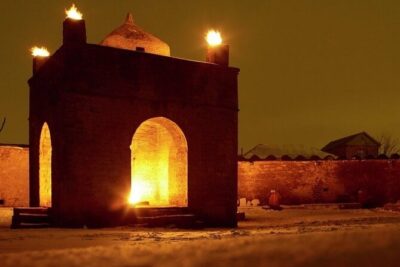
Gobustan, Volcanoes, Fire Temple and Yanardag Day Trip
Read our review →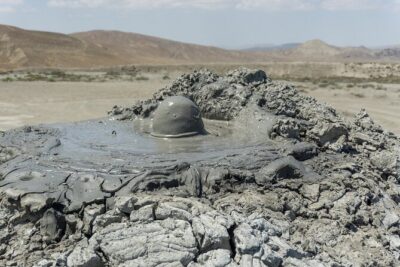
Gobustan & Mud, Fire Temple, Burning Mountain (Group & Private)
Read our review →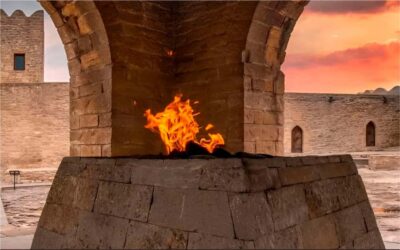
Mud Volcan-Fire Temple and Mountain Tour/Entrance inc
Read our review →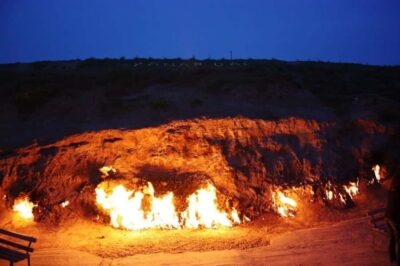
Gobustan Mud Volcanoes Temple & Entry tickets included
Read our review →Other Azerbaijan lists this tour is on